What is Level 1 Hoarding?
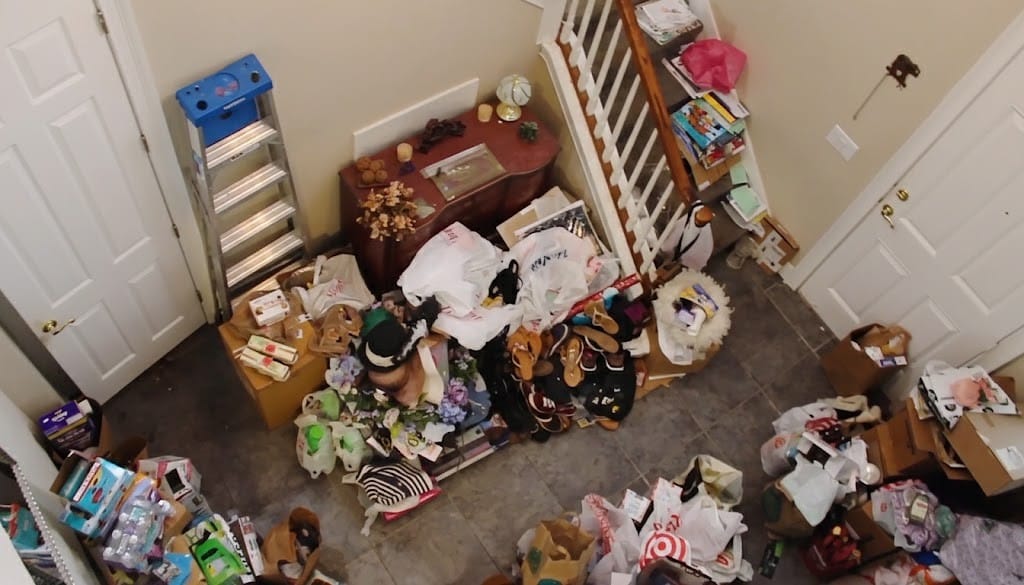
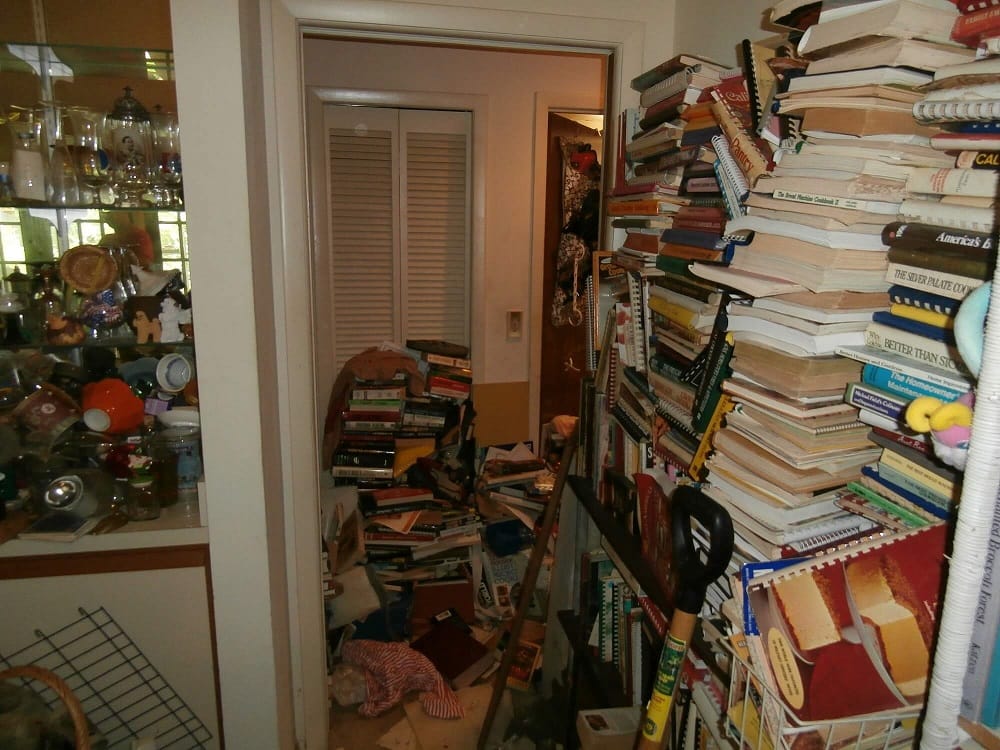
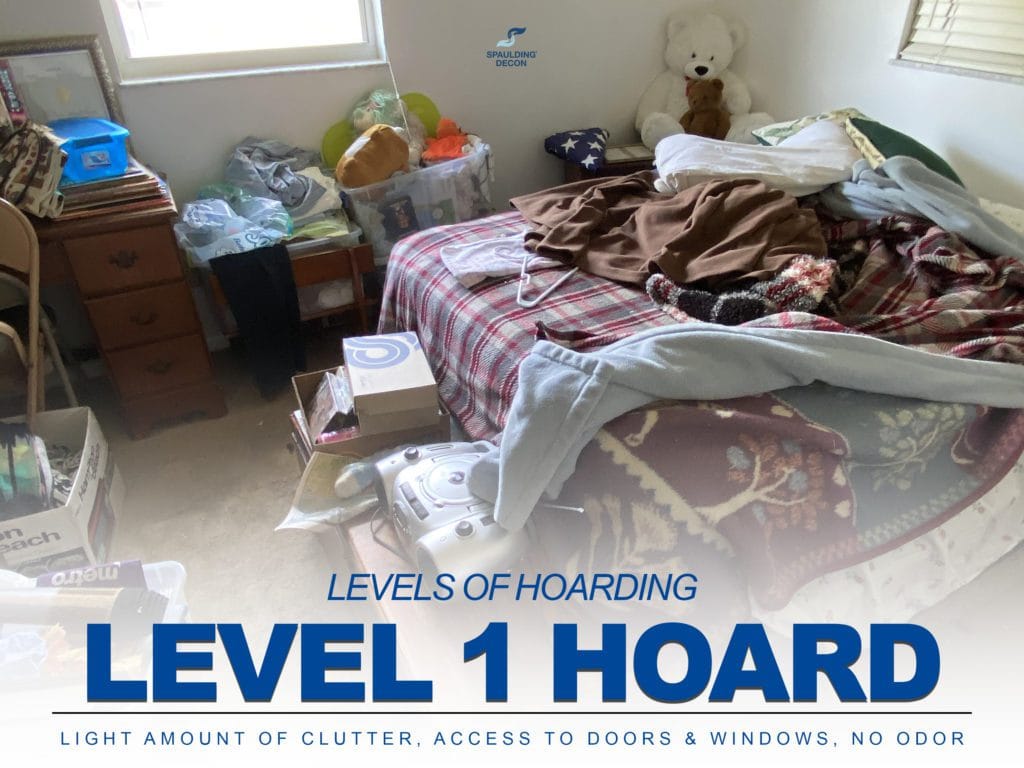
Level 1 hoarding is the least severe category on the Clutter-Hoarding Scale, and it often goes unrecognized by both outside observers and the hoarder themselves. Unlike advanced hoarding stages, Level 1 hoarding typically does not create health hazards, obstruct walkways, or significantly impact daily living.
While Level 1 can coexist with tidy walkways and sanitation, indicators are often hidden in storage and habits. These may include persistent difficulty in discarding items, regardless of value, distress when discarding, and excessive acquisition of items. According to the National Library of Medicine, DSM-5 TR governs clinical diagnosis while the ICD Clutter-Hoarding Scale is a home environment/safety assessment tool that does not serve as a diagnosis.
Level 1 often looks tidy and functional. However, the real signs are the behaviors behind the scenes. When you work with a partner like Spaulding Decon, you can have full confidence and peace of mind that our teams work discreetly and with compassion, and that we truly respect the story of every life. Get in touch with us and let’s do a discreet photo assessment via SMS/WhatsApp, or email – whichever is more convenient for you.
Did you know? The Institute for Challenging Disorganization (ICD) has created a five-level scale for hoarding classification. Level 1 represents the least severe case, while Level 5 is the most extreme, often involving hazardous living conditions.
Concerned About Hoarding? Spaulding Decon provides expert assessment and cleanup services. Call us today!
Recognizing the 5 Key Patterns of Level 1 Hoarding
At Level 1, homes can look organized, yet the patterns below reveal early‑stage hoarding, which include both physical and digital.
- Pattern 1: Difficulty Discarding Items
People with Level 1 hoarding often experience anxiety and distress when asked to discard. They often use words such as “I might need this later.” to hold onto what they do not wish to part ways with. Examples include closets with long‑unworn clothes, drawers of obsolete chargers, stacks of “just‑in‑case” mailers, and more.

- Pattern 2: Compulsive Acquiring and Shopping
Another pattern worth paying close attention to is the persistent urge to obtain items beyond need. This means that daily compulsion is possible. In the 2025 context, this is often driven by modern online shopping conveniences such as one‑click/social commerce, targeted ads, frequent parcels with duplicates, and buy-now-pay-later (BNPL) models contributing to over‑acquisition.
Shopping Tip: If you find yourself repeatedly buying items you already have in abundance, try implementing a shopping inventory list to track purchases and avoid unnecessary accumulation.
- Pattern 3: The Rise of Digital Hoarding
The same acquire/avoid‑deleting pattern can also be applied to digital hoarding, including files, emails, photos, tabs, apps, etc. Any such clean-up efforts may cause stress and lost productivity. In our current times, it’s possible to find an inbox with 50,000+ unread emails, an overflowing Downloads folder or a desktop, photo duplicates, 100+ open tabs, and more.
- Pattern 4: Organized but Overflowing Storage
You may also frequently notice tidy surfaces yet fully packed cupboards/garages as this pattern of organizing is used to offer a false sense of control. What you might see on the surface level is a pristine kitchen, for example, but the cabinet inside holds 30 mugs stacked. Or, you could see a garage neatly binned but with no actual parking space.
- Pattern 5: Focus on Cleanliness and Functionality

Lastly, you may notice that sanitary, working utilities are used as a defense. You might hear “my home is clean, so it’s not hoarding”. Meanwhile, closets/storage/digital life are overwhelmed.
Did you know? Many Level 1 hoarders meticulously organize their collected items to maintain an appearance of tidiness, even when storage spaces are overflowing.
Beyond the Physical: Digital Hoarding in 2025
Apart from physical hoarding as a challenge in Level 1, there is also now another type of hoarding that’s been recognized, which is digital hoarding.
A brief explanation of this condition focuses on the excessive acquisition and refusal to delete digital material (files, emails, photos, tabs, apps). It generally feels the same as physical hoarding in level one because of the fear of loss and the “what if” overwhelming feelings that accompany it.
The impact can include stress, decision fatigue, and productivity loss.
The Age of Instant Acquiring: How Modern Shopping Fuels Hoarding
We already touched on the impact of online shopping and commerce but this area is also worth exploring in more detail. Factors such as one-click and social commerce on Amazon, Instagram. TikTok, and other platforms significantly compress time to purchase.
Other potential triggers could be targeted ads, where algorithms personalize temptations. This can make impulse control much harder.
Also, the BNPL model means that the small installments create psychological distance from the total cost, leading to a higher volume of acquiring goods. Lastly, there are subscriptions, with auto deliveries which accumulate passively.
Understanding Hoarding Disorder
Hoarding is a serious condition that involves the obsessive collection and storage of items that others would deem redundant or worthless.
The ICD’s five-level scale evaluates which problems exist in a hoarded household. As a person moves through the levels, the indicators discussed as nonexistent in Level 1 will become more pronounced.
While the lack of apparent indicators may hide the fact that a hoarding situation is occurring, it is essential to try and recognize the behavior so it can be curtailed before it escalates to Level 2 hoarding.
Understanding each of the criteria used to identify hoarding and how they appear in a Level 1 hoarding household can help protect loved ones or neighbors from an escalated and unmanageable hoarding situation.
More Than Just Clutter: The Emotional Roots of Hoarding
Hoarding isn’t just about collecting too many things. It’s often a reflection of deep emotional needs and psychological patterns. While the visible clutter may seem like the main problem, the underlying causes are often rooted in anxiety, trauma, or self-identity.
For many individuals, hoarding provides a sense of security and control in an unpredictable world. Items may represent comfort, stability, or safety, making it difficult to let go.
Others struggle with an overwhelming fear of waste or missed opportunity, worrying that something discarded today might be useful tomorrow. Emotional attachment can also run deep, as possessions become intertwined with memories, identity, or self-worth.
It’s important to recognize that hoarding behaviors can co-occur with conditions such as obsessive-compulsive disorder (OCD), depression, anxiety, or ADHD. These connections are complex and highly individual—understanding them requires compassion and professional support rather than judgment or shame.
If you or a loved one is struggling with hoarding, resources are available to help. Visit the International OCD Foundation’s guide for families to learn how to offer meaningful, non-judgmental support. For more background on the anxiety and obsessive-compulsive components often linked to hoarding, explore the ADAA’s Hoarding Basics overview.
Why Is It Important to Recognize Level 1 Hoarding?
Hoarding situations escalate gradually, and identifying the earliest signs can make all the difference in preventing a crisis later. While Level 1 hoarding often appears mild (perhaps just a bit of clutter or difficulty letting go) it can mark the beginning of a deeper pattern that becomes harder to manage over time.
Recognizing these early warning signs allows for timely, compassionate intervention as a way to get help before a manageable issue turns into a hazardous environment.
Early Warning Checklist (Non-Diagnostic)
If you notice several of these signs in yourself or a loved one, it may be time to seek guidance:
- Unopened parcels or shopping bags left untouched
- Buying duplicates of items already owned
- Flat surfaces (tables, counters) increasingly covered or blocked
- Avoiding visitors or feeling anxious about anyone entering the home
- Missed maintenance or repairs due to clutter
- Finances strained by frequent re-buys or unnecessary purchases
- Rising distress when discarding items—even small ones
- Growing digital overload (emails, photos, or files piling up)
- Losing track of important items like bills, keys, or documents
- Feelings of shame, secrecy, or embarrassment about the home
Safety Comes First
If exits become blocked, or if pests, mold, or strong odors start to appear, it’s important to prioritize safety and get professional help immediately. Fire hazards and health risks increase quickly in cluttered environments. Learn more about prevention and safety from the National Fire Protection Association and the U.S. Fire Administration.
At Spaulding Decon, we understand that hoarding is never just about “mess”. It’s about people, emotions, and the journey back to safety and comfort. If you’re worried about yourself or someone you love, we offer a confidential, no-pressure assessment by phone, SMS, or even a discreet photo review. We’ll talk through safe next steps and what to expect. We respect the story of every life.
What Happens Next
- Assessment → A caring, confidential review of your situation
- Plan → A personalized cleanup and recovery roadmap
- Gentle On-Site Work → Compassionate, judgment-free help
- Donation/Disposal Options → Sustainable and respectful solutions
- Maintenance Tips → Guidance to help prevent recurrence
Explore more about our services on the Hoarding Cleanup Service page, view Pricing and Financing options, or find a Spaulding Decon location near you.
Need Help?
Hoarding is a recognized mental health disorder, and as such, delicate handling of the situation is required.
Our licensed and certified professionals can handle any hoarding situation. Regardless of what is happening at the location that has you worried, we are here 24/7 to help you. Call us at 866-726-2316.
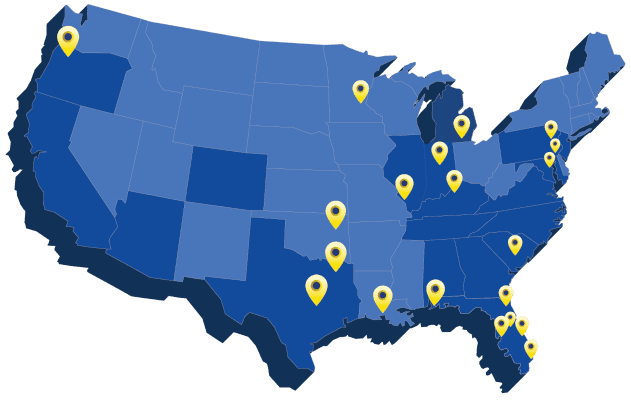
Find a Hoarding Cleanup team nearest you: Spaulding Decon Locations
FAQs
Emotions and function define the line. Collecting means items are curated, displayed, and bring joy. Hoarding is about broad acquiring which leads to distress and has function impact (even if hidden).
While Level 1 hoarding does not create immediate safety hazards, it can be a precursor to more severe hoarding behaviors. Identifying and addressing it early can prevent escalation.
To help a loved one, use “I” statements, focus on safety, ask consent, avoid unilateral clean‑outs. Offer small, time‑boxed steps. Encourage gentle decluttering habits, open conversations about their attachment to objects, and suggest professional counseling if necessary.
Level 1 hoarding maintains functionality and cleanliness, whereas Level 2 begins to show signs of mild clutter accumulation, minor home maintenance neglect, and pet waste issues. Hoarding is categorized into five levels. Each level represents a different degree of severity. Learn more.
Some individuals start with self‑help practices (such as one‑in/one‑out or 15‑minute drawer sessions). Seek clinicians (CBT/skills) if the affected person experiences distress, relapse, or an escalation occurs.
While family clustering suggests a genetic component, one’s environment and comorbidity also play roles.
The 5 Levels of Hoarding: Understanding Hoarding Disorder