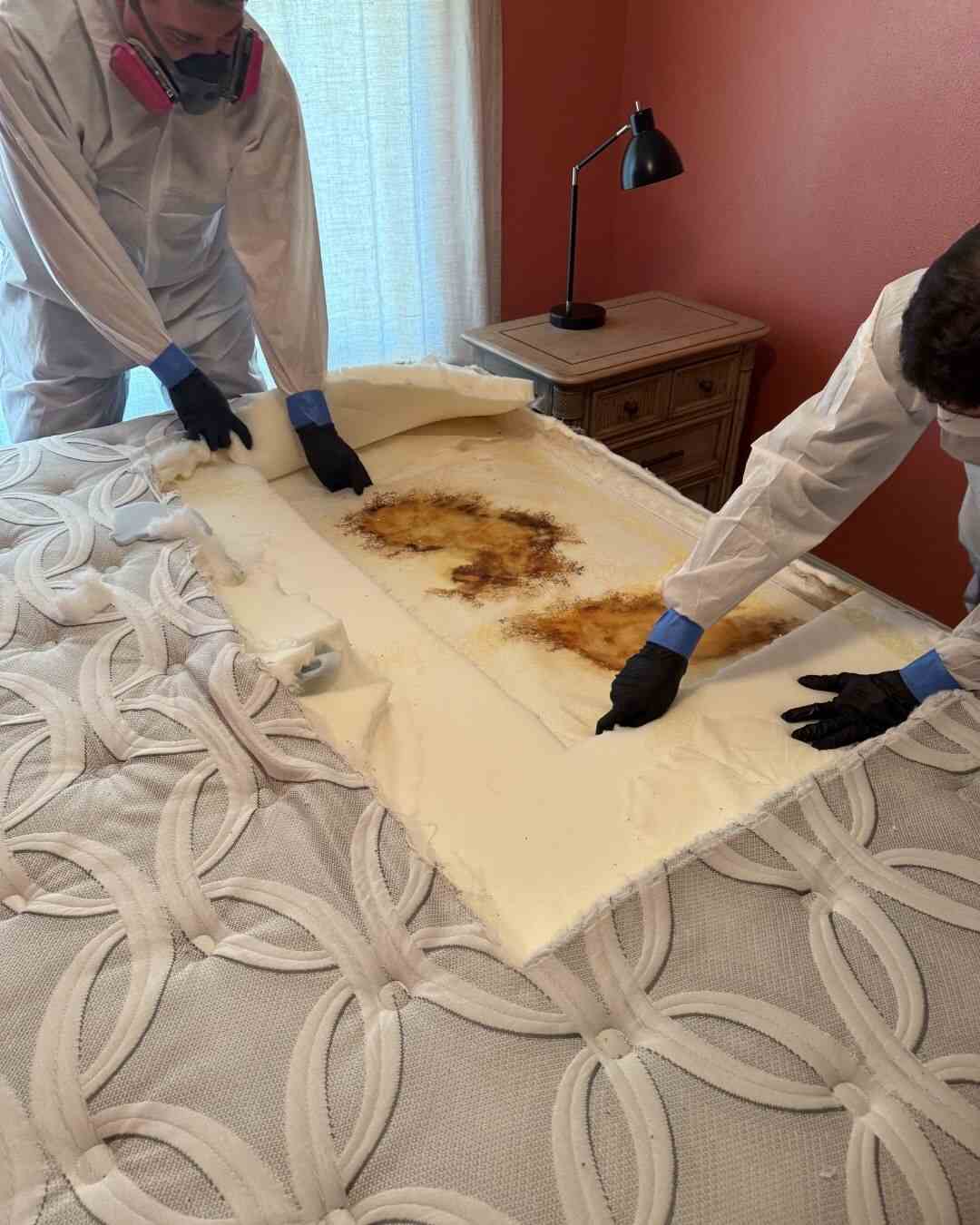

Decomposition is the process of rotting or decay that occurs in five stages. Although these stages are a natural process, they expose people to harmful contaminants.
Decomposition starts with the breakdown of tissues after death and advances to skeletal deterioration. Immediately after death, the body begins a natural breakdown process that can pose health risks after roughly 24 hours. This is where professional biohazard cleanup is important to avoid biohazard risks. The rate of decomposition varies depending on temperature, humidity, insect access, and whether the body is indoors or outdoors.
While human decomposition times vary from person to person, the five distinct stages are the same for every body once deceased. Let’s learn more about this process.
Stage One: Autolysis (Self-Digestion)
The first stage is referred to in two ways: autolysis or self-digestion. This stage begins immediately after death.
It’s important to note that before autolysis, two early changes occur: algor mortis (cooling of the body) and livor mortis (blood settling). Both are used by forensic investigators to estimate time of death. In modern times, forensic specialists use AI-assisted decomposition models to estimate time of death based on temperature, humidity, and insect presence.
Cell rupture and enzyme release start within minutes to hours.
That’s because as soon as blood stops circulating and respiration ceases, the body has no way of getting oxygen. This stops its ability to remove waste. The excess carbon dioxide creates an acidic environment and this starts to cause the cell membranes to rupture, one after the other. As this process begins, cells release enzymes that are acidic and powerful enough to digest and consume cells from the inside out. This process will also cause the top layer of the skin to loosen.
Rigor mortis will also start to set in throughout this initial stage. This process causes the muscles to stiffen, creating an unmovable state.
Important Consideration: Bodily fluids may already begin forming during this stage, presenting potential biohazard risks. Always exercise caution.
Stage Two: Bloat
The next stage follows after autolysis. During this stage, also referred to as “bloat”, anaerobic bacteria in the intestines multiply, releasing gases like methane and hydrogen sulfide. These cause the body to swell and emit strong odours.
These compounds contain sulfuric compounds and bacteria. This is what creates a discoloration in the skin. During this stage, the human body can bloat to almost twice its size. And this is also when insect activity begins. Forensic entomologists use insect larvae patterns to determine the timeline of death. Aside from insects, the aforementioned bacteria also produce an unpleasant odor, which is called putrefaction.
This is why first responders and other professionals who frequently come in contact with the deceased can often smell a dead body before they see it. Bloat begins three to five days after death. A certain foam becomes evident, containing blood and other contaminants.
Important Consideration: Bodies in hot, humid environments enter bloat within 1–3 days, while colder climates delay the process by several days.
Need Immediate Support? Spaulding Decon Offers Professional Biohazard Cleanup Services To Help You And Your Family During This Difficult Time.
Stage Three: Active Decay (The Stage of Greatest Mass Loss)
Active decay is the third stage of the decomposition process. It is noticeable on the exterior because fluids start to release themselves through the body’s orifices. Internally, organs and muscles become liquified. During this stage, the skin starts to liquefy. Soft tissue includes the skin and cartilage. After the soft tissue decomposes, bones, hair, and other byproducts begin to decay. At this stage, the body loses the most mass.
Active decay typically begins within 5–15 days depending on climate, burial depth, and insect activity. Furthermore, microorganisms, maggots, and beetles consume tissues rapidly, resulting in fluid leakage and mass loss.
Cleanup Tip: Advanced biohazard cleanup techniques are required to safely remove fluids and odors while preventing long-term contamination. New enzyme-based odor neutralizers and ozone sanitation are now industry standard for post-remediation.
Stage Four: Advanced Decay
At this stage, nutrients from the body enrich surrounding soil, sometimes altering vegetation or attracting scavengers. Additionally, the body’s decomposition process slows down because most soft tissues have already been broken down. What remains is a combination of bones, dried tissues, and some residual fluids. This stage often lasts several weeks, depending on environmental factors.
In cases where the body has been in contact with soil, it can release leachate that may contain nitrogen compounds, which can contaminate groundwater or result in soil contamination.
Cleanup Tip: Professional cleanup crews use ATP testing and bio-enzyme cleaners to confirm safe restoration of affected surfaces.
Stage Five: Skeletonization
At this stage, whatever soft tissue remains collapses on itself. This marks the end of active decay and what remains eventually dries out. This is when skeletonization begins.
Skeletonization is evidence of a deceased body after it has gone through decomposition.
It is the final stage of decomposition. Nails and teeth fall out during this stage and, as most medical examiners know, this process occurs several weeks after death. In open, warm environments, skeletonization can occur within a few weeks. In cold or buried conditions, it may take months or even years.
Essentially, all the soft tissues have decayed and dried to the point where the skeleton is exposed. Skeletal remains still provide crucial forensic data about identity, cause of death, and physical trauma.
Table Summary: The Five Stages of Decomposition
| Stage | Typical Timeline (Temperate Climate) | Key Characteristics |
| 1. Autolysis | 0-4 days | Cell breakdown, rigor mortis, skin sheen |
| 2. Bloat | 4-10 days | Swelling, skin discoloration, strong odor |
| 3. Active Decay | 10-20 days | Greatest mass loss, fluid release, insect activity |
| 4. Advanced Decay | 20-50 days | Tissues dry, decomposition slows, bones visible |
| 5. Skeletonization | 50+ days | Soft tissues gone, skeleton exposed |
A Natural Yet Dangerous Process
Dealing with the aftermath of a death can be emotionally and physically overwhelming. While decomposition is a natural process, it’s also dangerous to the living beings who remain behind. Decomposition can release airborne pathogens and should never be cleaned without PPE and training.
If a body has any time to decompose (even 24 to 72 hours), it’s important to call in a dedicated remediation team. They will have all the tools available to make a property as clean as possible, no matter the biohazard.
The Five Stages of Decomposition
The five stages of decomposition set in almost immediately postmortem. Each stage can be identified by the rate of decomposition and the overall state of the body. As soon as decomposition begins, it’s wise to maintain a safe distance from the deceased and wear protective gear.
Important Step: It’s crucial to contact professional biohazard cleanup services. Cleaning up after death is a highly intricate process that requires specialized tools, knowledge, and expertise.
Why Choose Spaulding Decon?
Here at Spaulding Decon, we value the story of every life. We work with compassion, discretion, and empathy and we’re here to safely restore your home and property in the aftermath of accidents, deaths, drug labs, or hoarding situations.
As a trusted provider of trauma, biohazard, and crime scene cleanup services, we offer:
- 24/7 quick response
- Affordable services
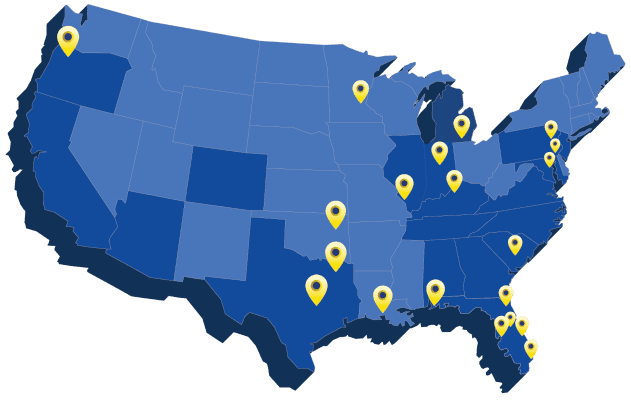
- Nationwide locations
Count on us to handle the cleanup, so you can focus on what matters most. Contact us today for professional biohazard remediation.
Frequently Asked Questions
It depends on temperature, humidity, insect activity, and burial depth. In hot, open environments, full skeletonization may occur within weeks. In cooler or sealed areas, it may take months or years.
Heat, moisture, and insect access speed up decomposition, while cold, dryness, or embalming slow it down.
No. Decomposition releases bacteria and biohazards that require professional cleaning equipment and PPE.
For professional odor removal, technicians use enzyme cleaners, ozone generators, and HEPA filtration to neutralize odors and airborne bacteria.
Yes. Biohazard contamination and odor can reduce property value if professional remediation doesn’t take place. Professional cleaning restores safety and value. Make sure to check your State laws to see if you are required to disclose there was a death on your property.