
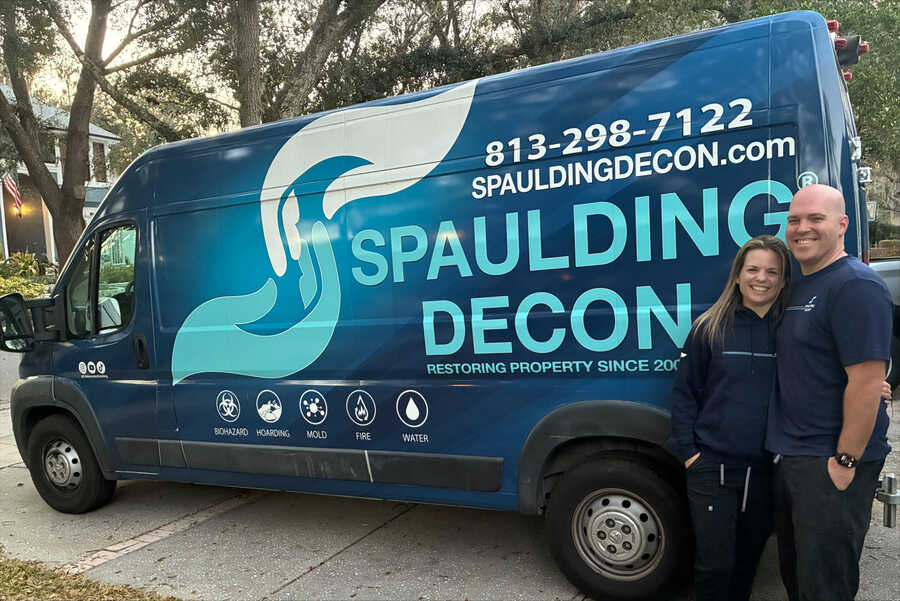
At Spaulding Decon, we know that a professional spring cleaning or home cleanout service isn’t easy. It can be tough both physically and emotionally.
We also deeply understand that it goes far beyond routine tidying. Instead, it is a systematic, room-by-room deep clean that removes allergens, bacteria, and accumulated grime from overlooked areas.
With us, it can also include clutter removal with total respect for you and your belongings, and we always focus on creating excellent coordination and communicating effectively with you at every stage of the process.
“We work very hard to keep the homeowner informed of everything that we’re doing.” — Kyle Wilson, Co-owner of Spaulding Decon
The benefits of a good spring clean, whether you choose to do it now or in the future, is great for improving indoor air quality and resetting your home’s condition. To find out more, keep reading below.
What Is a Spring Cleaning Service and Why It’s Just What You Need Right Now
A professional spring cleaning service is fundamentally different from your weekly tidying routine.
While regular cleaning keeps surfaces presentable and high-traffic areas manageable, a true seasonal deep clean tackles the accumulated grime, hidden dust, accumulated clutter, and long-neglected spaces that build up quietly over months of daily living.
“We’re here to help sort through things to give you a fresh start and make sure that you’re keeping the things that bring you value and joy, rather than just throwing everything into a garbage bag and just looking at it as junk removal.” — Kyle Wilson, Co-owner of Spaulding Decon
Think of it as the difference between maintaining a car and taking it in for a full service. Both matter, but only one addresses what’s happening beneath the surface.
What does a spring cleaning service include?
When you choose professionals to help you with your spring cleaning or house cleanout process, you’re choosing several different activities.
These include:
- Scope beyond routine maintenance: Professional teams work systematically through every corner of your home. They scrub grout lines, clean inside appliances, wash baseboards and door frames, clear dust from ceiling fans and air vents, and address the spaces behind and underneath furniture that rarely see attention during routine upkeep.
- Allergen and contaminant removal: This level of thoroughness removes allergens, bacteria, and contaminants that accumulate in overlooked areas and quietly affect your indoor air quality over time. According to the US Environmental Protection Agency (EPA), biological contaminants such as mold, dust mites, pollen, and pet allergens can cause asthma symptoms and allergic reactions. And, on average, people spend about 90% of their time indoors where much of their exposure occurs.
- Disinfection of high-touch surfaces: Comprehensive disinfection of high-touch surfaces also reduces the spread of viruses and bacteria, creating a genuinely healthier environment rather than simply a cleaner-looking one.
- Hoarding and clutter removal: Some specialists, like the team at Spaulding Decon, offer a specialized hoarding and clutter removal service together with spring cleaning, which is rooted in compassion and dignity. Trauma-trained specialists understand the emotional weight of letting go, which is why we work at our clients’ pace, never discarding sentimental items without approval.Our comprehensive process includes: discreet sorting, responsible disposal, and deep sanitization.
“Our service is nonjudgmental. It’s completely compassionate. We work on a compassionate basis, we really lead with compassion. And we’re here to help as long as you need.” — Kyle Wilson, Co-owner of Spaulding Decon
- Flexible scheduling: While spring is the most popular time to schedule this kind of service, a home can benefit from a comprehensive reset at any point in the year. Many households schedule these services twice annually or more, aligning with seasonal transitions. Others book this service before major events or after periods of particularly heavy use.
- Advance booking: The ideal timing depends on your household’s specific circumstances.
Understanding Professional House Cleaning Services and What They Offer
Professional house cleaning encompasses a much broader range of professional cleaning and property restoration services than many homeowners realize. Rather than a single offering, reputable residential cleaning companies typically structure their work across several distinct tiers, each designed to address different levels of need and different household circumstances.
Here’s what you need to know about the different service tiers:
- Basic cleaning: This covers the essentials like dusting accessible surfaces, vacuuming carpets and rugs, mopping hard floors, wiping down kitchen counters and appliances, cleaning bathroom fixtures, and emptying trash. This tier is designed for ongoing maintenance like keeping a home consistently presentable between more intensive sessions.
- Deep cleaning: Involves labor-intensive work that goes far beyond surface maintenance: cleaning inside ovens and refrigerators, scrubbing tile grout, washing windows, detailing cabinet exteriors, and addressing areas that standard maintenance simply doesn’t reach.
- Move-in and move-out cleaning: The most comprehensive tier, ensuring a property is thoroughly sanitized and ready for new occupants, including cleaning inside cabinets and drawers and treating every surface as if for the first time.
Residential cleaning services differ quite a bit from commercial cleaning in both approach and product selection.
Residential services are tailored to the rhythms and sensitivities of home life, prioritizing family-safe products, accommodating pets and children, and working around the personal nature of private spaces.
Commercial cleaning addresses entirely different demands: high-traffic common areas, specialized equipment, and the operational requirements of businesses.
The equipment and products used by professional cleaners are often significantly more effective than consumer-grade alternatives. Commercial-grade vacuums with HEPA filtration capture allergens and fine particles that standard household vacuums recirculate into the air.
Specialized cleaning solutions are formulated for specific surfaces, safe for natural stone, effective on stainless steel, appropriate for sealed hardwood. This reduces the risk of damage that comes from using the wrong product on the wrong material.
Reputable cleaning companies also invest in their people. Background checks, for example, are standard expectations for professional services, protecting both clients and cleaning staff.
And ongoing training ensures teams stay current on cleaning techniques, safety protocols, and the proper handling of specialized products. When evaluating a deep house-cleaning service, the quality of their hiring and training practices is just as important as the products they use.
How to Find the Best Cleaning Service Near Me
Searching for a reliable cleaning service in your area requires more than scanning the top results or picking the most appealing website. When strangers will be working inside your home, the due diligence you carry out matters.
Your checklist for vetting a local cleaning company:
- Read reviews critically across multiple platforms: Look for consistency across Google, Trustpilot, and other platforms, and pay attention not just to the volume of positive feedback but to how the company responds when things go wrong. A cleaning company that addresses negative reviews professionally and resolves complaints demonstrates genuine commitment to customer satisfaction.
- Ask the right questions before committing: Prepare a clear list of questions: Do they offer customized plans? What products and equipment do they use? Do they offer a satisfaction guarantee? Ask for an estimate that itemizes all services and potential additional fees.
Deep Cleaning Service vs. Regular Cleaning: Understanding the Differences
The distinction between a deep cleaning service and regular cleaning extends beyond frequency. The key differences reflect a different scope of work, a different time frame, and a different set of techniques applied to different areas of your home.
| Feature | Regular Cleaning | Deep Cleaning |
|---|---|---|
| Typical frequency | Weekly or bi-weekly | Seasonally or quarterly |
| Time required (average home) | 2–4 hours | 5–10 hours or more, depending on the depth and scope of the service |
| Floors | Vacuum and mop | Vacuum, mop, and clean behind/under furniture, declutter, sanitize, and other specialized services |
| Kitchen appliances | Wipe exteriors | Clean inside oven, refrigerator, and microwave |
| Tile and grout | Surface wipe | Scrub with specialized brushes and solutions |
| Windows | Not typically included | Interior and exterior washing |
| Baseboards and door frames | Not typically included | Washed and detailed |
| Air vents and ceiling fans | Occasional dusting | Thoroughly cleared of accumulated dust |
| Blinds | Light dusting | Dusted or washed individually |
Regular cleaning, typically performed weekly or bi-weekly, maintains the baseline cleanliness of a home. It covers the tasks that prevent visible dirt from accumulating: vacuuming carpets, mopping floors, wiping kitchen counters, cleaning bathroom fixtures, dusting accessible surfaces, and emptying trash.
The goal is consistency in keeping your home presentable and hygienic between more intensive sessions. Deep cleaning, on the other hand, operates on an entirely different level. Teams scrub, clean, wash, sanitize, and declutter, if requested.
The frequency of deep cleaning depends on household factors. Homes without pets or children may only need this level of service twice a year. Households with multiple pets, young children, or family members with allergies benefit from quarterly sessions. High-traffic homes or those in particularly dusty environments may need even more frequent intensive cleaning.
The value proposition of deep cleaning extends beyond immediate appearance: it addresses health concerns through allergen removal, prevents long-term damage from accumulated grime, and extends the lifespan of home surfaces and fixtures. Many homeowners find that combining regular maintenance with periodic deep cleaning sessions delivers optimal results.
A Comprehensive Spring Cleaning Checklist for Every Room
A thorough spring cleaning requires a systematic, room-by-room approach that accounts for the unique demands of each space and ensures that commonly overlooked areas receive the attention they need.
The following checklist provides a practical framework that a professional spring clean service should generally follow.
Kitchen
The kitchen demands the most intensive effort of any room.
- Clean inside the oven, microwave, and refrigerator, including the coils and drip pan
- Degrease the range hood, backsplash, and cabinet exteriors
- Scrub the sink, faucet, and garbage disposal
- Wipe down all countertops and small appliances, paying attention to the undersides and backs where grease accumulates
- Sweep and mop the floor, including corners and the area behind the refrigerator and stove
Bathrooms
- Scrub the shower, tub, and toilet, including the base and behind the tank
- Clean the sink, countertop, and all fixtures
- Polish mirrors and chrome
- Scrub tile and grout with an appropriate brush and solution
- Clean the exhaust fan, which accumulates dust and reduces ventilation efficiency
- Sweep and mop the floor, including behind the toilet and under the vanity
Bedrooms
- Dust all surfaces including furniture tops, shelves, window sills, and picture frames
- Clean mirrors and windows
- Vacuum or mop the floor, moving furniture to address the areas underneath
- Wash all bedding, including duvet covers, pillow protectors, and mattress covers
- Declutter and organize closets, donating items that are no longer needed
Living areas
- Dust all surfaces including electronics, shelves, and decorative items
- Vacuum upholstery and cushions, including underneath removable cushions
- Clean windows and mirrors
- Dust light fixtures and ceiling fans
- Wipe down baseboards and door frames
- Vacuum or mop floors, moving furniture to clean underneath
Basement and attic
- These spaces are among the most commonly neglected and the most likely to harbor hidden hazards.
- Remove clutter and debris, dust all surfaces, and sweep or vacuum floors
- Check for signs of moisture, mold, pest activity, or structural damage that may have developed undetected
- Inspect old insulation, rodent droppings, and decades of forgotten boxes in attics as what’s hidden there can affect the air quality throughout your entire home
“If we come across, as an example, potential mold, we will stop what we’re doing. We will point this out and then refer the correct pathway forward.” — Kyle Wilson, Co-owner of Spaulding Decon
Garage and outdoor spaces
- Sort through tools, appliances, and stored items
- Dispose of hazardous chemicals, old paint, and broken equipment appropriately
- Sweep and clean all surfaces
- Remove debris, bulk waste, and clutter from yards, driveways, and sheds
Often-missed areas that deserve specific attention
- The tops of kitchen cabinets
- The inside of dishwashers and washing machines
- Window tracks and sills
- Light switch plates and door handles
- The area behind and beneath large appliances
- HVAC vents throughout the home
These spaces accumulate grime steadily and invisibly. Addressing them during a seasonal clean makes a meaningful difference to both cleanliness and air quality.
Maintaining Your Home After Professional Spring Cleaning
A professional spring cleaning creates a fresh baseline. But sustaining that condition requires consistent habits that prevent the gradual re-accumulation of dirt, clutter, and grime. The good news is that maintaining a deeply cleaned home is considerably easier than getting it there in the first place, provided you establish the right routines early.
The following Gentle Home Maintenance Guide provides a practical framework for keeping your home in excellent condition between professional cleaning visits:
- Daily 10-Minute Reset: Spend ten minutes each evening returning items to their designated places, wiping down kitchen counters and sinks after use, and doing a quick visual sweep of high-traffic areas. This small daily investment prevents the accumulation of mess that makes weekly cleaning feel overwhelming.
- The One-In, One-Out Rule: For every new item that enters your home, remove one. This simple principle prevents gradual clutter buildup and keeps storage spaces from quietly filling beyond their capacity over time.
- Create Safe Zones: Designate specific areas of your home as clutter-free zones like the kitchen counter, the dining table, the entryway. Commit to keeping them clear. These anchor points create a sense of order that extends throughout the rest of the space.
- Weekly Light Maintenance (30–60 Minutes): Dedicate a consistent weekly block to vacuuming or mopping floors, cleaning bathroom fixtures, dusting accessible surfaces, and emptying trash. Consistency matters more than duration.
- Keep, Donate, Discard Method: When sorting through accumulated items, apply this three-category framework. It prevents the paralysis of decision-making and ensures that useful items find new homes rather than simply being relocated within your own space.
- Avoid Bulk Overbuying: Purchasing more than you can realistically use or store is one of the primary drivers of household clutter. Buy in quantities that match your actual consumption, and resist the temptation of bulk deals on items that will simply occupy space.
- Watch for Early Warning Signs: Address small problems before they become large ones. A minor mold spot in a bathroom, a slightly damp basement corner, or the early signs of pest activity are all far easier and less costly to address when caught early.
- Optional Ongoing Support: For households that find maintaining cleanliness consistently challenging, recurring professional cleaning support is a practical and worthwhile investment.
Scheduling your next deep clean proactively, rather than waiting until the need becomes urgent, is the final piece of a sustainable maintenance strategy. Homes with pets, children, or allergy sufferers benefit from deep cleaning every three to six months.
Smaller households with consistent habits may only need intensive service once or twice a year. Planning ahead ensures availability during peak seasons and keeps your home in the condition you want it.
FAQs
The duration of the spring cleaning for your home will depend on the size of the property, its condition, and if it requires specialized attention. At Spaulding Decon, we will provide you with a time estimate as part of the initial quote process.
This depends on your needs. Simply communicate your needs to us and we will fully comply with them for a smooth experience.
A spring cleaning service focuses on deep cleaning every surface of your home such as scrubbing, sanitizing, and refreshing. A full home cleanout goes further. It involves sorting through accumulated belongings, hauling away items for disposal or donation, handling hazardous materials, and finishing with a top-to-bottom deep clean. This is the right choice when clutter has accumulated to the point where cleaning alone isn’t sufficient.
Standard cleaning services aren’t equipped to handle situations involving significant clutter, hoarding conditions, mold, pest infestations, or hazardous materials. Spaulding Decon’s professional home cleanout service is specifically designed for these circumstances. Our teams handle the full process: a free estimate, a dedicated sorting zone where every item is categorized as Keep, Donate, or Dispose, full haul-away using a 40-yard dump trailer, donation drop-off to partners including the Salvation Army, hazardous waste routing to approved facilities, and a white-glove deep clean of every surface including HVAC vents. A dedicated project manager stays with you throughout the entire job, ensuring nothing is moved or discarded without your approval.
Cluttered spaces, particularly attics, basements, and garages, can harbor serious hazards that aren’t visible until the cleaning process begins. Mold thrives in poorly ventilated spaces with accumulated clutter, and left undetected, mold spores can spread to structural surfaces and circulate through HVAC systems. Stacked boxes and old furniture create ideal nesting conditions for rodents and insects. Expired or improperly stored chemicals, paints, and solvents require specialist disposal. Blocked pathways create fire exit risks. Structural damage can remain hidden beneath clutter for years. The professional teams at Spaulding Decon are trained to identify these hazards mid-job and to stop, inform you, and outline the appropriate path forward. This provides a level of safety that standard cleaning services simply cannot match.
No. We provide all the necessary supplies and equipment as part of service.