What defines someone with a hoarding disorder
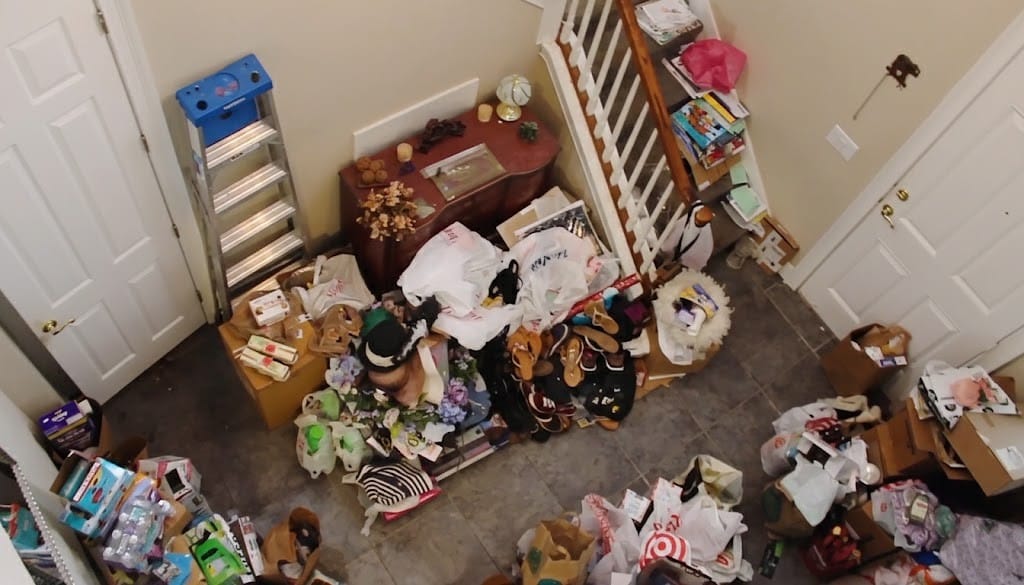
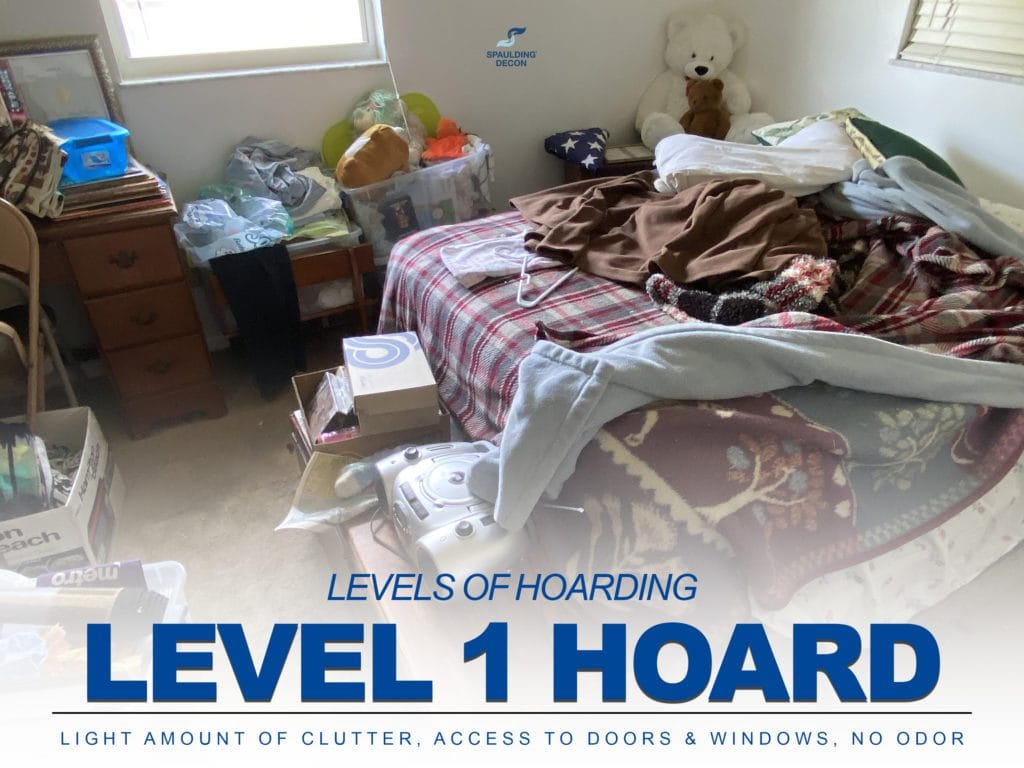
In 2013 the latest DSM was released, DSM-V, and defined hoarders as a person who, excessively save items that others may view as worthless. They have persistent difficulty getting rid of or parting with possessions, leading to clutter that disrupts their ability to use their living or work spaces, and says it occurs in about 4% of the population.
Hoarding is a mental illness that can lead to further health complications. Due to the nature of hoarding, it causes the accumulation and buildup of clutter, trash, papers, and other items that eventually become obstructive to the normal way of life. This then affects the quality of living for the hoarder and their families. Many times, this buildup includes bio-hazardous material. When it comes time to clean up a hoarding situation, it is important to be aware of the bio-hazardous that come with it and how to remove them.
Hoarding within a home escalates quickly
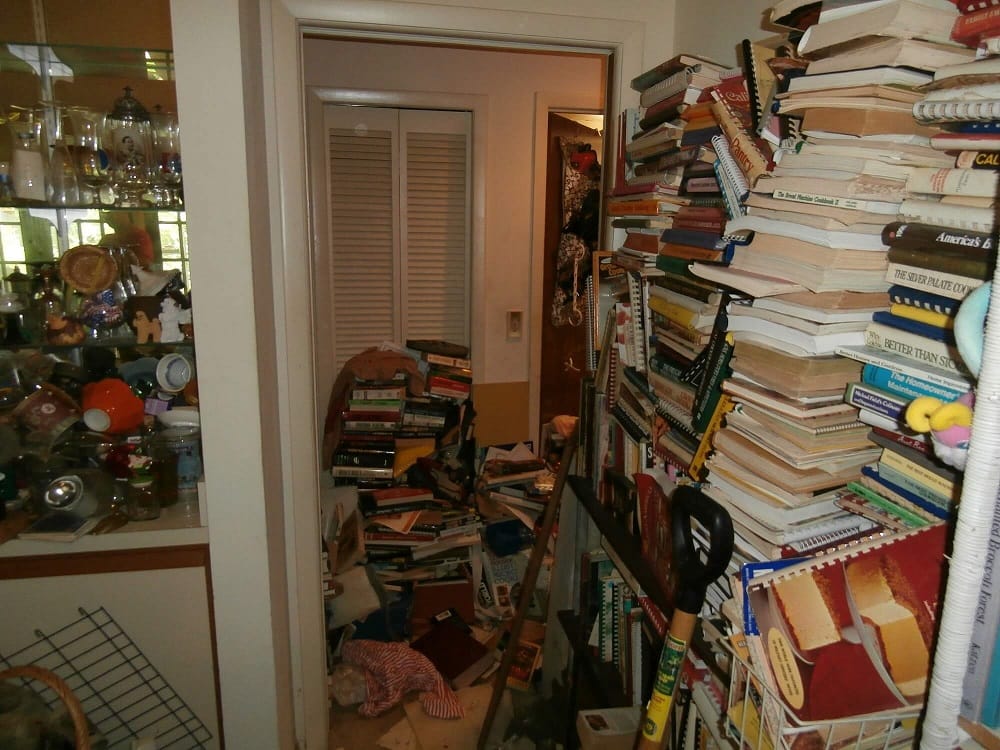
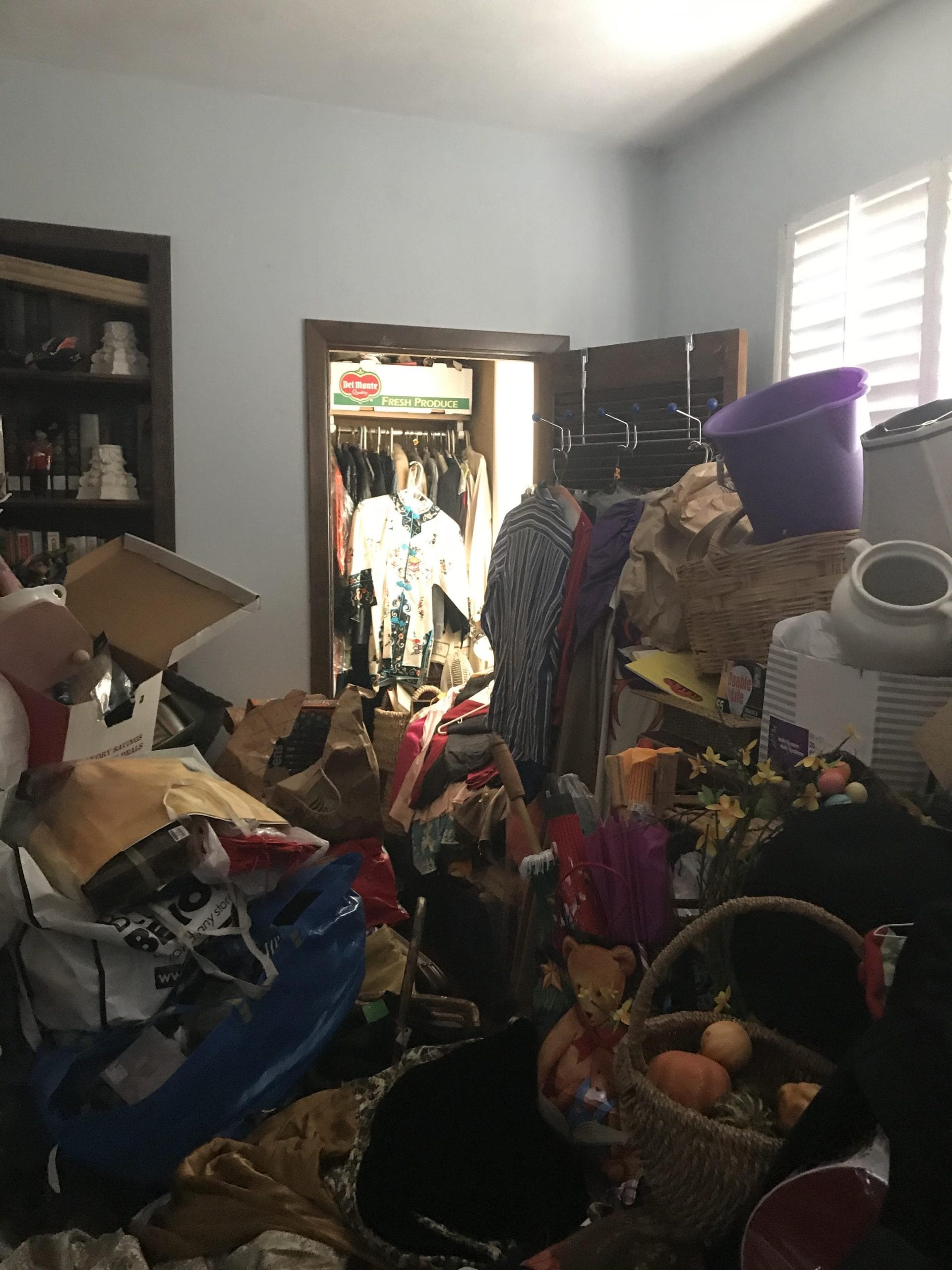
Hoarding can escalate the disrupting the living space very quickly which causes a difficulty living and taking care of ones own personal hygiene. Passageways become blocked in the home and oftentimes hoarders cannot access certain parts of their home like bathrooms. In severe cases, hoarders will resort to using buckets to defecate in. Without access to proper hygienic tools, bodily fluids and waste can accumulate in the home and can cause serious health issues. These biohazardous body fluids will be an issue that needs to be dealt with during cleanup.
Along with human waste, animal feces are often found in hoarding situations. Often, hoarders accumulate trash which includes food that is left to rot. This food and trash can grow mold and be a hazard unto itself but is a gateway to a larger concern , rodents. Rodents are attracted to the messes that come with hoarding and love to make nests from the papers, plastics, and other materials found in the hoarders home. These rodents then leave their feces throughout the home which is a biohazard to anyone around. Rodent droppings carry diseases that can cause severe illness and in some cases death.
Biohazards are founding in almost every hoarding situation and need to be dealt with accordingly. When cleaning and removing bio-hazardous material, protection and the right equipment is important. Using a high-efficiency particle arresting vacuum (HEPA) is a good way to vacuum any solid rodent droppings or waste. A HEPA vacuum has the highest efficiency filters which will keep the bacterial particles from mouse droppings from entering the air you breathe.
When disposing of bio-hazardous material, it is important to use protection and the proper disposal bags. Use a tightly sealed plastic bag to wrap any solid material and take it to the local solid waste facility. Always wear air filtration masks; the stronger the filter the better. Bacteria in mold and feces can easily become airborne and can then be inhaled. Furthermore, goggles, gloves, and full body HAZMAT suits are needed to prevent any contact with the biohazardous waste.
More Hoarding Information:
Below are several more resources about hoarding clean up.
- Everything You Need to Know About Hoarding Cleanup Services
- Differences Between Hoarding and Clutter Cleanup
- The Ins and Outs of Hoarding Cleanup
- Animal Hoarding: Laws, Facts and Psychology behind It
- Hoarding and Clutter Cleanup in Commercial Estates
- 7 Warning Signs Someone You Love Has a Hoarding Problem