Last updated: May 2026
Are Mice and Rats Actually Dangerous to Humans?
If you’ve found mouse or rat droppings in your home, you need two things right now: accurate information and the ability to act quickly. The good news is that most people who find rodent evidence don’t get sick.
The critical issue is that the ones who do often get sick during cleanup. Not because they touched a live mouse, but because they swept or vacuumed dry droppings and inhaled the aerosolised particles.
Rodents are linked to more than 35 documented human diseases, according to the CDC. These diseases spread through urine, droppings, saliva, bites, and contaminated food or dust and you don’t need direct contact to become infected.
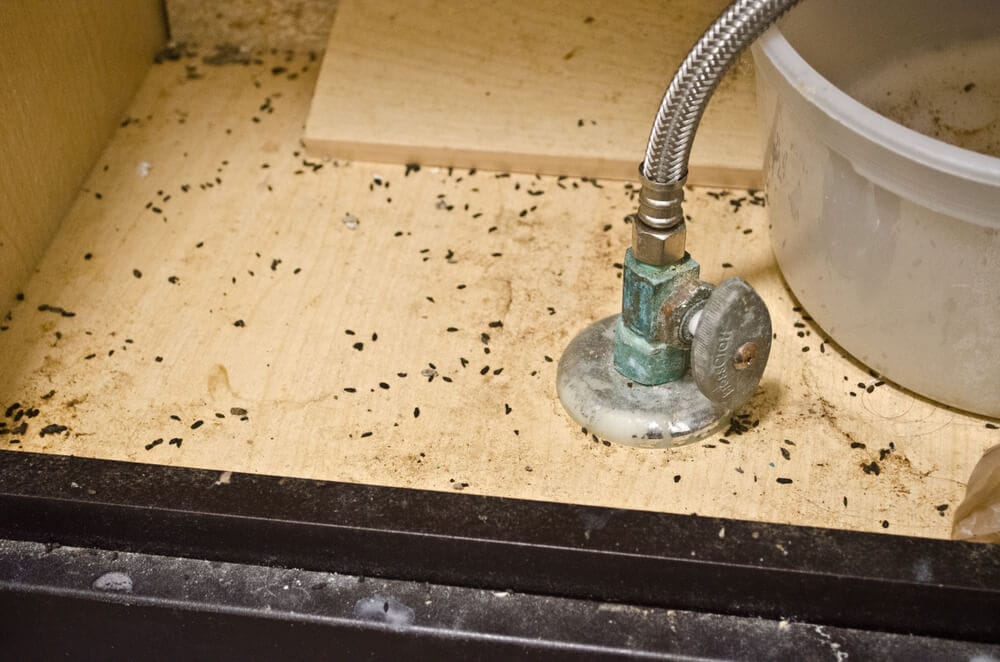
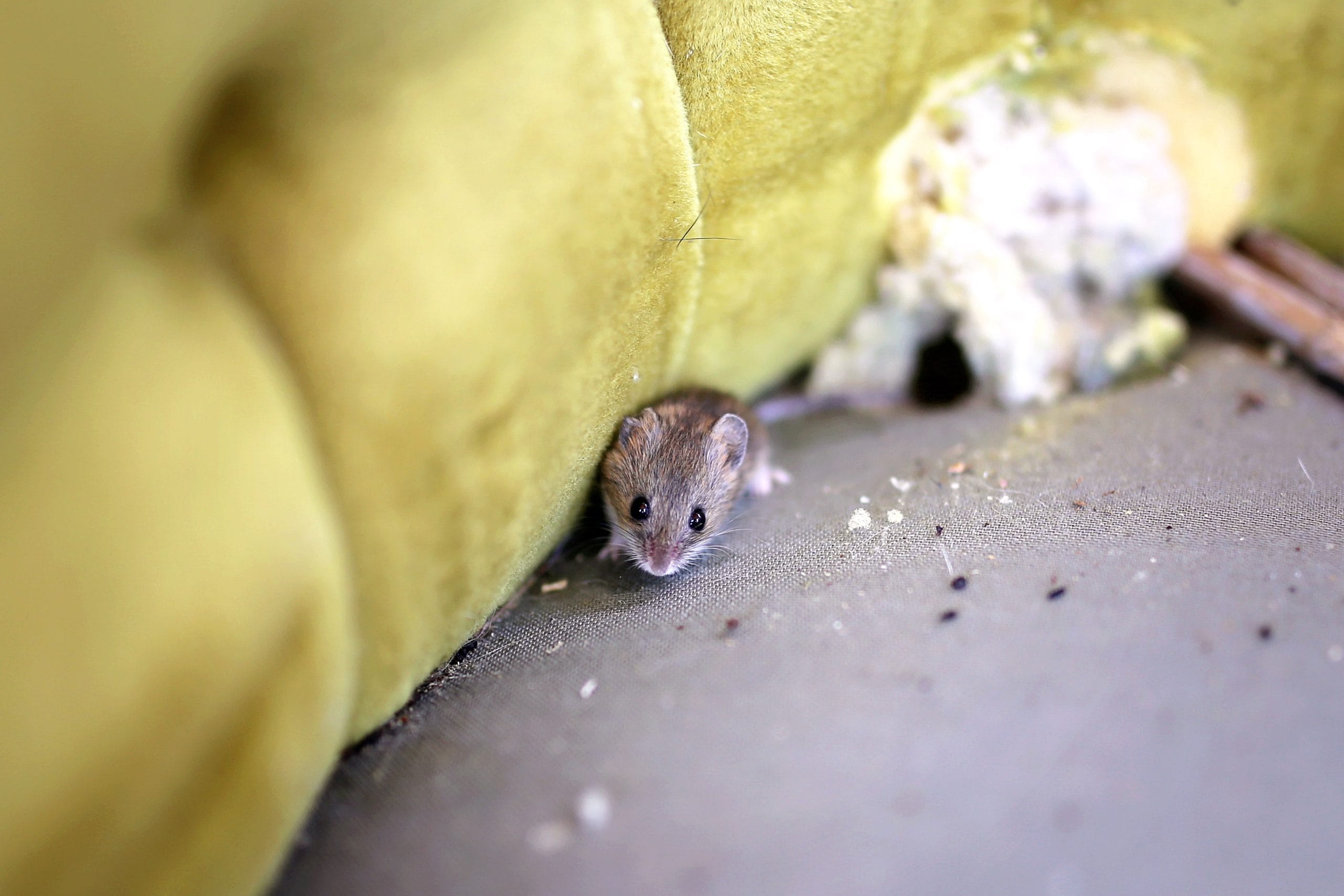
The common house mouse weighs less than an ounce, but it defecates up to 70 times per day, and every dropping is a potential delivery mechanism for viral and bacterial pathogens.
Approximately 5% of deer mice (Peromyscus maniculatus) in endemic areas carry hantavirus, per CDC surveillance data. However, the common house mouse (Mus musculus) does not carry hantavirus. Instead, it carries LCMV, which is a different pathogen with serious implications for pregnant women and immunocompromised individuals.
This species distinction matters enormously. Most homeowners don’t know which type of mouse they have and this is one of the reasons a professional site assessment is valuable before any cleanup begins.
When our crew arrives on a rodent job, the homeowner often tells us: “I already cleaned it up.” They swept the droppings. Maybe vacuumed. And now someone in the house has a fever and a headache they can’t explain.That’s the exact scenario the CDC’s cleanup protocol is designed to prevent. The biology is consistent regardless of where we’re working: Southwest attics, Midwest garages, urban apartment basements: these pathogens don’t announce themselves, and the risk doesn’t end when the rodents leave.— Kyle Wilson, Chief Financial Officer (CFO) & Co-Owner
How Long Do Mouse Droppings Stay Toxic?
This is the question we hear most often from homeowners who found droppings that look old. They want to know: does time make them safe?
The answer is no. And it is one of the most consequential misunderstandings in rodent cleanup. There is no established “safe age” for untreated rodent droppings. The CDC does not provide a time threshold after which droppings can be handled without precautions.
Warning: Hantavirus survives in droppings for approximately 2–3 days at room temperature with direct UV exposure. In cool, dark, poorly ventilated conditions, such as attics in winter, sealed boxes in storage, wall voids, and crawl spaces, the virus can remain viable for weeks, and potentially longer. The key variable is not age. It is the environmental conditions the droppings have been sitting in.
Pathogen survival by disease
| Pathogen | Transmission Route | Survival in Environment | Key Risk Factor |
|---|---|---|---|
| Hantavirus (HPS) | Aerosolised droppings, urine, nesting | 2–3 days (dependent on room temperature and UV exposure).Weeks in cool, dark spaces. | Enclosed cleanup without ventilation |
| LCMV | Droppings, urine, bites, pet rodent contact | Similar to hantavirus. Degrades faster in heat and sunlight. | Pregnancy, immunocompromised |
| Leptospira bacteria | Urine-contaminated water, soil | Can last from weeks to months in moist soil or standing water. | Flood zones, crawl spaces |
| Salmonella | Faecal contamination of food/surfaces | Lasts days to weeks on dry surfaces; longer in moist areas. | Kitchen / food prep areas |
| Rat-bite fever | Bites, scratches, saliva contact | Limited environmental survival. | Pet/feeder rodents, children |
Sources: CDC Hantavirus Clinical Overview; CDC LCMV Fact Sheet; CDC Leptospirosis Overview.
We had a job at a property renovation with more than 900 rats, which seriously negatively affected both the house and the neighboring community. Our ATP clearance testing after initial ventilation confirmed active pathogen load still present in the ductwork. We deployed all our industry-grade equipment, tools, and techniques and finished by running a two-pass ATP clearance test. Age does not equal safety. Protocol does. — Kyle Wilson, Chief Financial Officer (CFO) & Co-Owner
Concerned about potential health risks from rodent infestations? Contact Spaulding Decon now for immediate assistance!
Diseases Spread by Mice: A Species-by-Species Breakdown
Not all mice carry the same diseases. The two species you are most likely to encounter in a US home carry different pathogens and that distinction changes how you assess your risk.
Hantavirus Pulmonary Syndrome (HPS): Deer mice only

Hantavirus Pulmonary Syndrome (HPS) is the single greatest health risk from rodent infestations in the United States. The Sin Nombre virus, carried primarily by the deer mouse (Peromyscus maniculatus), causes a severe respiratory illness that kills approximately 1 in 3 people who develop full pulmonary syndrome. It has a case fatality rate of 30–40% even with medical care.
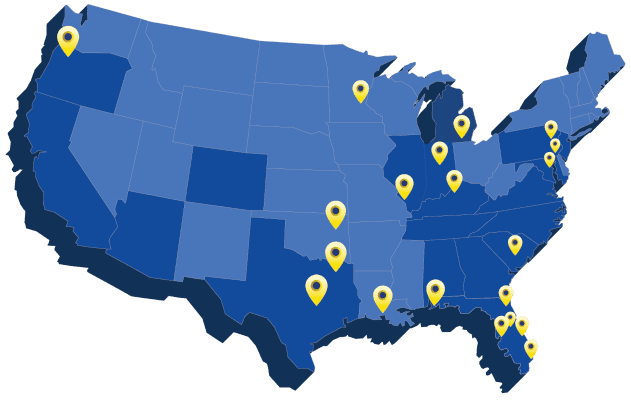
Key CDC data: Approximately 5% of deer mice in endemic areas carry hantavirus. Since 1993, approximately 850+ confirmed HPS cases have been reported in the US. New Mexico, Colorado, and Arizona consistently report the highest case rates per capita. Spaulding Decon serves these high-risk regions through our locations in Oklahoma, Oregon, Texas, and adjacent states.
Incubation: 1–5 weeks (documented range: 1–8 weeks).
Environmental survival: 2–3 days at room temperature with UV exposure; weeks in cool, dark conditions, which is exactly the environment found in attics, crawl spaces, and storage areas.
Hantavirus symptom timeline
| Phase | When | Symptoms |
|---|---|---|
| Incubation | 1–5 weeks after exposure (range: 1–8) | No symptoms |
| Prodromal (early) | Days 1–5 of illness | Fever, fatigue, severe muscle aches (thighs, hips, back, shoulders), headache, chills, nausea, vomiting |
| Around day 5 with rapid onset | Coughing, shortness of breath, respiratory failure from fluid in lungs. Can progress within hours. |
| Cardiopulmonary |
| If you develop fever, muscle aches, and shortness of breath within 1–8 weeks of any rodent cleanup (even a brief one) go to an emergency room immediately. Tell your doctor about the potential rodent exposure. Hantavirus is not routinely tested for. Without that information, the prodromal phase is easily misdiagnosed as influenza. There is no specific antiviral treatment for hantavirus. Outcome depends entirely on how quickly respiratory support is initiated. |
Lymphocytic Choriomeningitis Virus (LCMV): The hidden danger for pregnant women
LCMV is carried by the common house mouse (Mus musculus), which is the species most likely to be in your walls, kitchen, and living spaces. Unlike hantavirus, which is concentrated in rural western states, LCMV is present wherever house mice are found, including urban and suburban homes nationwide.
It is estimated that approximately 5% of house mice in the US carry LCMV, and CDC seroprevalence studies show 2–5% of people in urban areas have evidence of past infection, many without knowing it. Most healthy adults experience flu-like symptoms followed by full recovery.
CRITICAL WARNING FOR PREGNANT WOMEN: LCMV can cross the placenta and cause severe fetal outcomes including hydrocephaly, microcephaly, chorioretinitis, and pregnancy loss. The common house mouse is the primary carrier — this is not a deer mouse or rural issue. Do not attempt any cleanup yourself. Do not re-enter spaces with confirmed rodent activity until professional remediation is complete. Contact your OB/GYN immediately if you have had exposure. Call Spaulding Decon for an emergency assessment: (866) 726-2316.
Diseases Spread by Rats
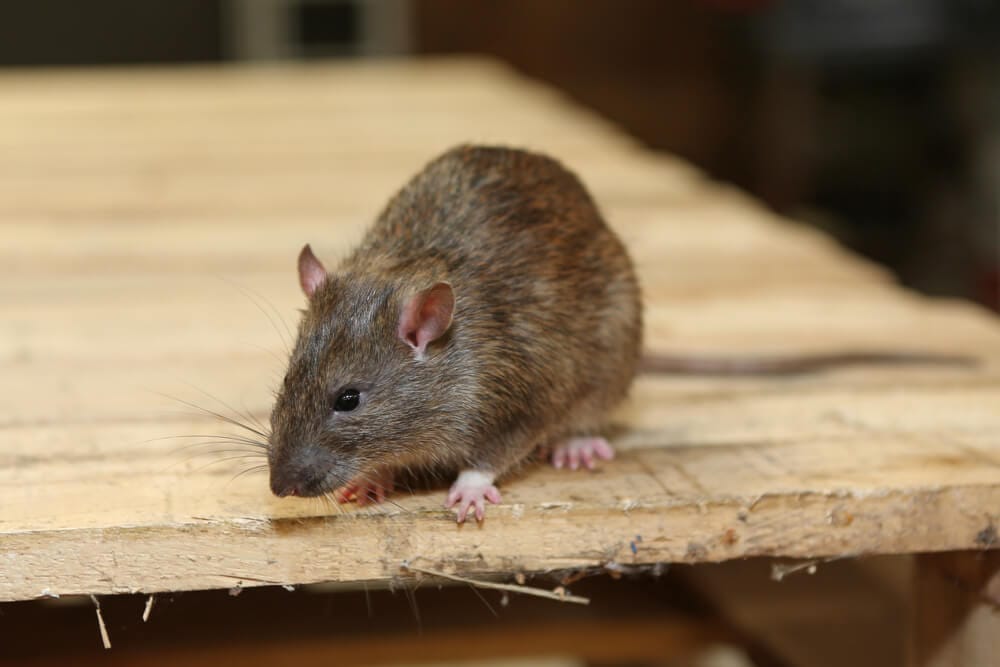
Norway rats (Rattus norvegicus) and roof rats (Rattus rattus) are the primary rat species found in US structures. Their disease profile overlaps with mice in some areas but includes several distinct threats.
Leptospirosis: The flood-season risk
Leptospirosis spreads through contact with water, soil, or surfaces contaminated with rat urine. The bacteria (Leptospira) can survive weeks to months in moist environments, which is why leptospirosis risk spikes significantly after flooding or in homes with water damage, crawl space moisture, or compromised drainage.
Symptoms range from a mild flu-like illness to severe Weil’s disease. This involves kidney failure, liver damage, pulmonary haemorrhage, and meningitis. Left untreated, severe leptospirosis has a case fatality rate of up to 10%.
If your property has experienced flooding or water damage alongside a rodent problem, the risk is compounded. Spaulding Decon’s teams handle water damage restoration and rodent decontamination simultaneously.
Seoul Virus: The rat-borne Hantavirus
Seoul virus is a hantavirus variant carried by Norway and roof rats. It causes haemorrhagic fever with renal syndrome (HFRS). This is characterised by fever, kidney disease, and haemorrhaging.
Outbreaks have been documented in North American pet-rat breeding facilities in recent years. If you keep pet rats, or have recently purchased them, Seoul virus is a relevant consideration.
Rat-Bite Fever (RBF)
Caused by Streptobacillus moniliformis in North America, RBF can be transmitted through bites, scratches, or contact with surfaces contaminated by rat saliva. Untreated, it carries a fatality rate of approximately 7–10%.
The danger is missed or delayed diagnosis as RBF is not a condition most emergency physicians consider without specific patient history. RBF is especially concerning in homes where children or pets may encounter rats.
Plague: Rare but present in the western US
Plague (Yersinia pestis) is transmitted through flea bites from infected rodents. The US reports an average of approximately 7 cases per year (range: 0–17 cases), based on CDC surveillance data from 2013–2023. Most cases cluster in New Mexico, Arizona, Colorado, and California.
Bubonic plague is treatable with antibiotics if diagnosed early, but untreated forms can progress to septicaemic or pneumonic plague with high fatality rates.
High-Risk Groups: Who Faces the Most Serious Danger
For most healthy adults, a brief, properly handled rodent cleanup carries manageable risk. But for specific groups, the risk calculus changes significantly.
| Group | Primary Concern | Recommended Action |
|---|---|---|
| Pregnant women | LCMV fetal transmission: hydrocephaly, microcephaly, pregnancy loss | Do NOT enter rodent-affected areas. Professional remediation + OB/GYN consult. |
| Immunocompromised | All rodent-borne pathogens carry higher severity. Normal immune responses may not function. | No DIY. Professional assessment required before re-entry. |
| Children under 5 | Higher respiratory exposure per body weight; hand-to-mouth contact with surfaces. | Keep out of affected areas. Professional remediation before children return. |
| Adults 65+ | Increased susceptibility to respiratory complications. | Err toward professional remediation. Ventilate thoroughly. |
| Asthma / lung disease | Aerosolised particles can trigger severe respiratory events independently of infection. | No entry without N100 respirator minimum. Professional handling recommended. |
How to Know If You Got Sick from a Mouse: Symptoms, Timelines, and When to Go to the ER
The challenge with rodent-borne illness is that early symptoms mimic flu. Without knowing about a potential exposure, most patients (and many doctors) don’t connect the dots until symptoms escalate.
The most important thing to do: tell your doctor about the exposure
If you have been in a space with rodent activity, particularly if you disturbed droppings, moved nesting material, or spent time in a closed, poorly ventilated area and you develop any of the following within 1–8 weeks, seek immediate medical attention:
Sudden onset fever (above 101°F / 38.3°C); severe muscle aches, especially in the thighs, hips, back, and shoulders; shortness of breath, even mild are the critical early warning sign for HPS; severe headache with neck stiffness (possible LCMV meningitis); nausea, vomiting, or abdominal pain combined with fever; or rash, particularly after a rodent bite or scratch.
Do NOT wait to see if symptoms improve if you have had rodent exposure AND respiratory symptoms. Hantavirus progresses from flu-like to respiratory failure within 24–48 hours once the cardiopulmonary phase begins. Go to the ER. Mention rodent exposure. Ask for hantavirus testing if you are in an endemic region.
When to call your GP vs. when to go to the ER
Call your GP: Mild fever, mild muscle aches, no respiratory symptoms, exposure was brief and in a well-ventilated area.
Go to the ER immediately: Any shortness of breath, fever above 103°F / 39.4°C, rapid symptom escalation, chest tightness, confusion, or if you are in a high-risk group (pregnant, immunocompromised).
DIY Cleanup vs. Professional Decontamination: Knowing the Difference
Not every mouse dropping requires a professional crew. But there is a clear threshold where DIY cleanup becomes dangerous. Industry best practice (note: the thresholds below are industry standard, not CDC-specified numbers) suggests the following:
When DIY may be appropriate
Fewer than 25 droppings in a contained, hard-surface area; good ventilation available; no nesting material or urine staining present; no high-risk household members; and you have proper PPE (N95 respirator, rubber gloves, eye protection).
When to call a professional
More than 25 droppings or heavy nesting evidence; droppings near HVAC vents or ductwork; enclosed or poorly ventilated spaces (attics, crawl spaces, wall voids); nesting material in insulation, drywall, or porous materials; any household member is in a high-risk group; the infestation has been present for an unknown duration; or you are unsure of the scope.
Step-by-step DIY cleanup protocol (CDC guidelines)
Step 1: Ventilate. Open doors and windows for at least 30 minutes before entering the space. The CDC recommends this minimum ventilation period to reduce airborne pathogen concentration.
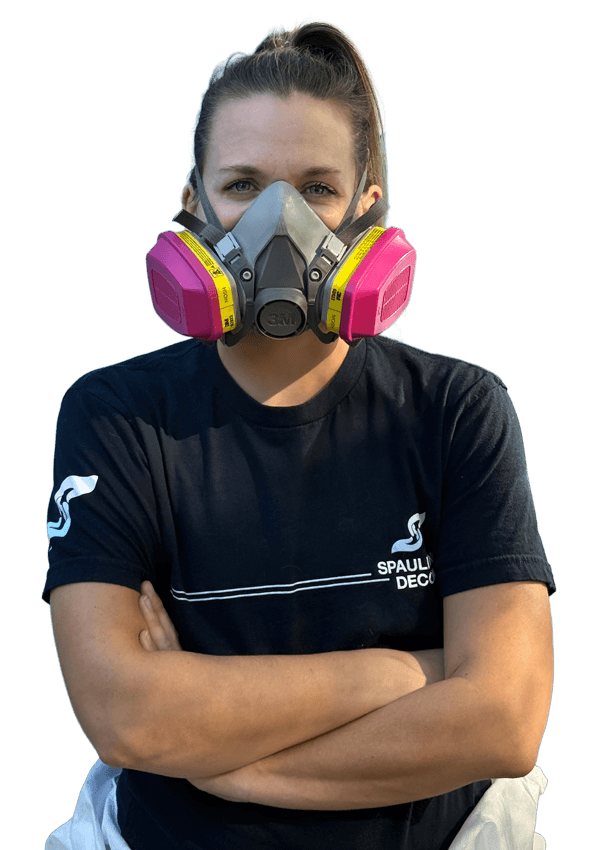
Step 2: PPE. Wear an N95 or P100 respirator (not a dust mask), rubber or nitrile gloves, and eye protection. For dusty or heavily contaminated spaces, add disposable Tyvek coveralls.
Step 3: Wet-disinfect. Spray droppings, urine stains, and nesting material with an EPA-registered disinfectant or a freshly mixed 1:10 bleach solution (one part household bleach to ten parts water) for areas with heavy contamination. A 1:100 bleach solution is acceptable for light surface contamination. Allow 5–10 minutes of wet contact time.
Step 4: Wipe and double-bag. Pick up droppings with damp paper towels. Double-bag all waste in sealed plastic bags. Never sweep or vacuum dry droppings — this aerosolises pathogens.
Step 5: Clean surfaces. Mop or sponge hard floors and surfaces with disinfectant. Machine-wash contaminated fabrics on hot and dry at the highest heat setting.
Step 6: Wash your hands. Before removing gloves, wash them with soap and water. Remove gloves, then wash bare hands thoroughly.
The “5-Day Mouse Rule”: Myth vs. CDC Reality
You may have seen claims online about a “5-day waiting period” before cleaning up after mice. To be clear: the CDC does not specify a 5-day waiting period for standard rodent cleanup. The 30-minute ventilation requirement is the minimum standard established by the CDC.
The confusion likely stems from guidance about the virus’s environmental survival time. While hantavirus can remain viable for days to weeks depending on conditions, the CDC’s cleanup protocol centres on proper ventilation, wet-disinfection, and PPE — not on waiting out a specific number of days.
Bottom line: Follow the CDC’s ventilation and disinfection protocol. Don’t rely on time alone to make a contaminated space safe.
How Spaulding Decon Handles Rodent Decontamination: The 6-Phase Protocol
When you call a general cleaning company for rodent cleanup, you’re getting a mop and a bottle of bleach. When you call Spaulding Decon, you’re getting OSHA HAZWOPER-trained technicians following a documented, CDC-aligned protocol that mirrors hospital infection control standards.
Phase 1: Site аssessment and containment. Before any PPE is donned, the site supervisor conducts a full walkthrough to classify contamination severity, identify all affected zones including HVAC ingress points, map nesting areas, and establish containment barriers with negative air pressure to prevent cross-contamination.
Phase 2: HEPA-filtered air scrubbing. Industrial HEPA air scrubbers run throughout the process to capture airborne particulates, including viral particles. Standard vacuums recirculate contaminated particles so HEPA filtration is non-negotiable.
Phase 3: EPA-registered disinfectant application. We use Shockwave by Fiberlock, which is an EPA-registered disinfectant effective against hantavirus, LCMV, and a broad spectrum of bacterial pathogens. Surfaces receive a minimum 10-minute dwell time. HVAC ductwork is inspected and cleaned using HEPA-filtered equipment.
Phase 4: Contaminated material removal. Droppings, nesting material, contaminated insulation, and porous materials that cannot be decontaminated are removed and disposed of as regulated medical waste with documented disposal manifests.
Phase 5: Structural decontamination and odour elimination. Remaining hard surfaces receive secondary disinfection. Thermal fogging addresses embedded odours in structural cavities.
Phase 6: ATP clearance testing and documentation. Post-remediation ATP (adenosine triphosphate) bioluminescence testing provides objective, quantified proof that surfaces have been decontaminated to hospital-grade standards. You receive a full work report, photo documentation, clearance certificate, and medical waste disposal manifest. This documentation supports insurance claims directly.
Take a look at one of our recent and successful rodent cleanup jobs.
Ready to schedule a certified rodent decontamination? Same-day estimates available in most service areas. Free assessments.
Call Spaulding Decon 24/7
Does Insurance Cover Rodent Decontamination?
This is one of the first questions families ask when they realise they need professional help. The honest answer: it depends on your policy and how the damage is classified.
Most standard homeowner’s policies exclude “pest infestations” as a covered event. However, coverage often applies when rodent activity has caused secondary damage that the policy does cover, such as structural damage (chewed wiring, gnawed framing, damaged insulation), air quality or health risk events requiring biohazard remediation, or contamination discovered after a covered water-damage event.
The classification that unlocks coverage is typically “biohazard remediation” rather than “pest control.” This is why the documentation we provide, including work reports, ATP clearance test results, and medical waste disposal manifests is critical for the claim process. Spaulding Decon is an insurance-approved vendor with direct experience working with major carriers. We handle direct billing to streamline the process.
Important: Do not hire an uncertified crew and begin cleanup before getting an insurance assessment as in some cases, this can void your claim. Document the problem with photos first, then call your insurer and a certified remediation company simultaneously.
Frequently Asked Questions
There is no established safe timeframe for untreated rodent droppings. Hantavirus can survive for approximately 2–3 days at room temperature with UV exposure, and potentially weeks to months in cool, dark, enclosed conditions such as attics, wall voids, or sealed storage areas. Per CDC guidance, all rodent droppings should be treated as potentially infectious regardless of apparent age.
No. An active rodent infestation creates continuous exposure risk to hantavirus, LCMV, and bacteria through aerosolised urine and droppings, even without direct contact. This risk is elevated in bedrooms where air circulation is limited. If you have confirmed rodent activity in your living space, arrange accommodation elsewhere until the infestation and contamination have been professionally assessed.
Early hantavirus symptoms resemble influenza: sudden fever, severe muscle aches (especially in the thighs, hips, back, and shoulders), fatigue, headache, and chills. The critical warning sign is when shortness of breath develops. This marks the transition to the cardiopulmonary phase, which can progress to respiratory failure within hours. Anyone who develops fever plus shortness of breath within 1–8 weeks of rodent exposure should go to an emergency room immediately and disclose the exposure.
Approximately 5% of deer mice (Peromyscus maniculatus) in endemic areas carry hantavirus, according to CDC surveillance data. The common house mouse (Mus musculus) does not carry hantavirus, it carries LCMV instead. In active infestation sites with concentrated droppings, effective exposure risk is higher than the carrier percentage suggests, because multiple animals may have used the same space over time.
Yes. Dried droppings are often more dangerous than fresh ones because they crumble more easily and release airborne particles. Hantavirus can remain viable for weeks in cool, dark environments. There is no safe age threshold for untreated droppings. Always follow a proper disinfection protocol regardless of how long droppings appear to have been there.
Never sweep or vacuum dry droppings before disinfecting, even with a HEPA vacuum. Both methods aerosolise pathogens. The correct sequence is always: disinfect first (5–10 minute dwell time), then wipe and bag. For heavy infestations, professional HEPA vacuuming is appropriate only after disinfectant treatment has been applied.
EPA-registered disinfectants and a freshly mixed 1:10 bleach solution (for heavy contamination) or 1:100 (for light surface contamination) are both effective on hard surfaces. The critical factor is dwell time. The solution must remain wet on the surface for 5–10 minutes before wiping. For professional remediation, Spaulding Decon uses Shockwave by Fiberlock, an EPA-registered disinfectant.
LCMV, carried by the common house mouse, poses a documented risk of fetal transmission that can result in hydrocephaly, microcephaly, chorioretinitis, or pregnancy loss. Do not enter any area with suspected rodent activity, do not attempt cleanup, and consult your OB/GYN immediately. Contact Spaulding Decon for emergency assessment: (866) 726-2316.
Coverage depends on your policy. Most homeowner’s policies exclude pest infestations per se, but coverage often applies when rodent activity has caused structural damage, health hazards, or is connected to a covered water-damage event. Spaulding Decon is an insurance-approved vendor and can provide all required documentation to support your claim.
Call a professional biohazard team if: there are more than 25 droppings (industry-standard threshold); droppings are near HVAC vents; the space is enclosed and poorly ventilated; nesting material is in insulation or porous materials; any household member is in a high-risk group; or the infestation duration is unknown. A professional assessment from Spaulding Decon is free and takes the guesswork out of the risk calculation.
Rodent Droppings in Your Home? Get a Free Professional Assessment.
Spaulding Decon is available 24/7 with service centres across 11 states. Same-day estimates available.
Related Resources
Here are a few other resources to help you with the rodent droppings and their associated risks.