Step-by-Step Guide to Safe and Effective Blood Cleanup
Blood can be a difficult and potentially dangerous substance to clean up. Whether it’s due to a medical emergency, crime scene, or an accident, it’s important to know how to properly clean and dispose of blood to minimize the risk of harm to yourself and others. In this guide, we’ll cover everything you need to know about cleaning up blood, from safety precautions to effective cleaning methods.
Safety Precautions
Before beginning any cleaning process, it’s important to take the necessary safety precautions. Blood can carry harmful pathogens, so it’s important to protect yourself and others from potential exposure. Here are a few steps you should take:
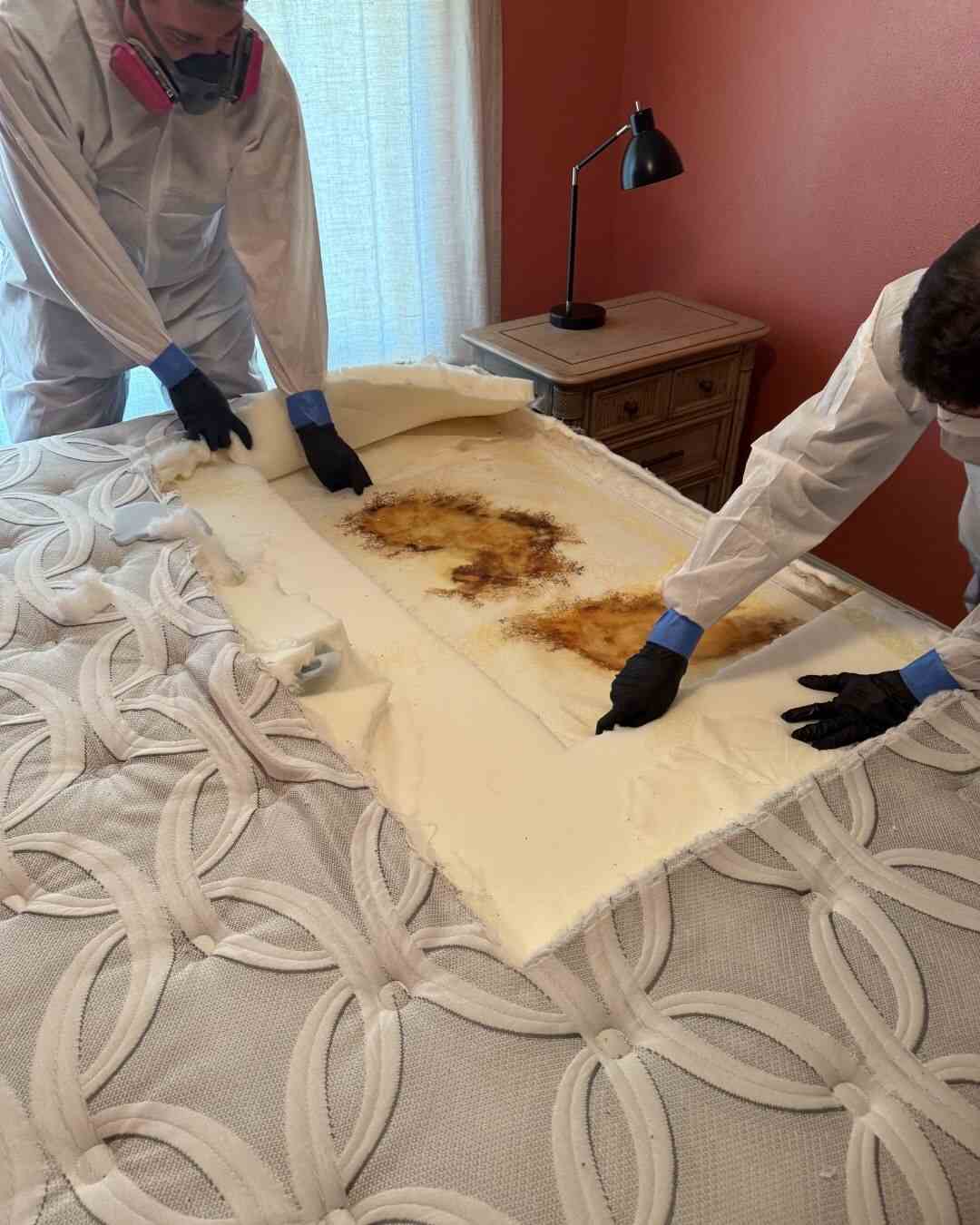
- Wear personal protective equipment (PPE) such as gloves, goggles, and a face mask to prevent the spread of any harmful pathogens.
- Ventilate the area to reduce the risk of inhaling any harmful fumes or airborne particles.
- Cover any open cuts or wounds with a waterproof bandage before beginning the cleaning process.
Cleaning Methods
Once you have taken the necessary safety precautions, you can begin the cleaning process. Here are the steps you should follow:
- Remove any solid material and as much excess blood as possible with paper towels or a clean cloth. Be sure to dispose of the material in a sealed plastic bag.
- Spray the affected area with a biohazard cleaner or a solution of water and detergent. Let the cleaner sit for a few minutes to allow it to penetrate the surface.
- Scrub the area with a scrub brush or clean cloth, being careful not to spread the blood. Repeat this step until all of the blood is removed.
- Rinse the area with clean water and allow it to air dry.
- Disinfect the area with a biohazard-approved disinfectant to further reduce the risk of harmful pathogens.
Disposal
Once the cleaning process is complete, it’s important to properly dispose of any contaminated materials. Here are a few guidelines you should follow:
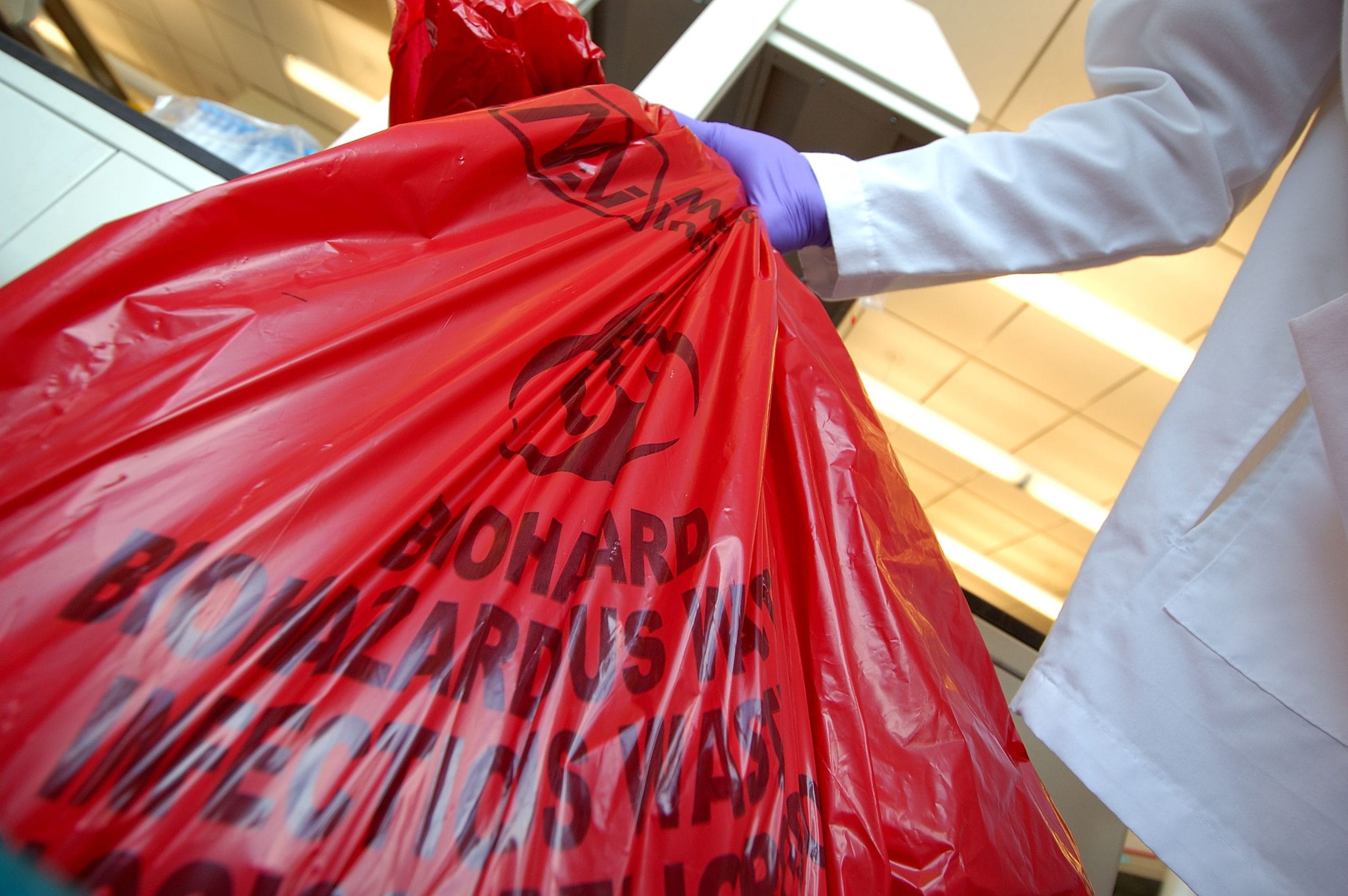
- Place any contaminated materials in a sealed plastic bag.
- Label the bag with a biohazard warning to alert others of its contents.
- Dispose of the bag in a secure location designated for biohazard waste.
Conclusion
Cleaning up blood can be a challenging task, but with the proper knowledge and safety precautions, it can be done effectively and safely. By following the steps outlined in this guide, you can minimize the risk of harm and effectively remove blood from a variety of surfaces. If you’re ever in doubt about how to clean up blood, it’s always best to seek the help of a professional biohazard remediation company, like Spaulding Decon. Our team of experts has the knowledge, training, and experience necessary to handle even the most complex biohazard cleaning situations.