Understanding Unattended Death Cleanup and Its Challenges
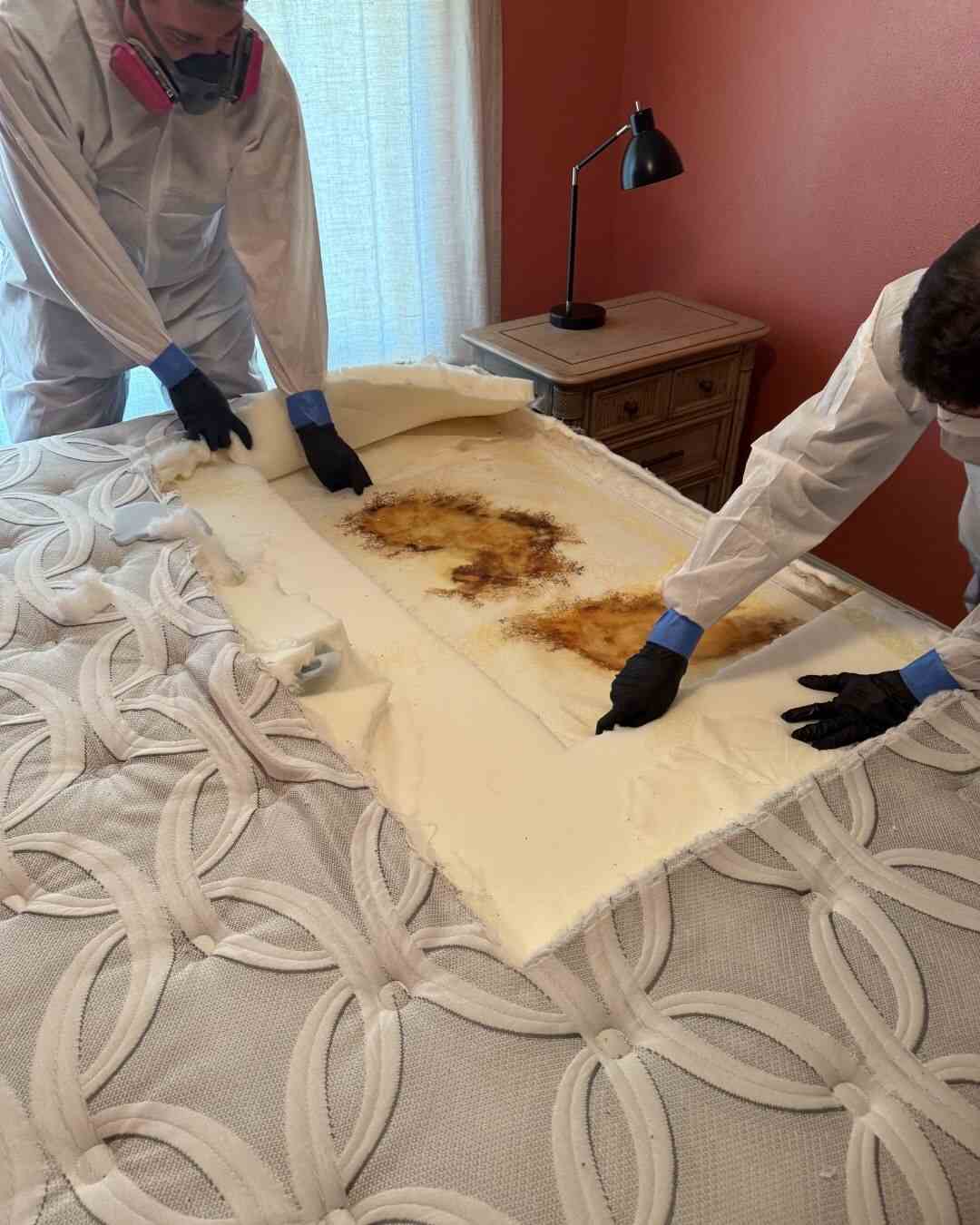
When faced with the unfathomable of an unattended death of a loved one, many families find themselves overwhelmed by the unexpected complexities. Unattended death cleanup is not only emotionally taxing but also requires specialized knowledge and equipment to ensure the area is restored safely and effectively. This task is not simply about cleaning; it involves decontaminating the space to prevent further health risks and ensure the environment is safe for future use.
The core challenge in unattended death cleanup lies in the biological hazards present. Decomposition begins shortly after death, leading to the release of potentially harmful pathogens. These pathogens can pose significant health risks if not managed by professionals trained in biohazard remediation. Such professionals use advanced equipment and adhere to strict protocols to manage the cleanup efficiently. This includes wearing personal protective equipment (PPE), using specialized cleaning agents, and following thorough decontamination procedures.
Moreover, the emotional burden on out-of-state relatives who may be responsible for arranging the cleanup adds another layer of complexity. They must navigate logistical challenges such as finding a reputable cleanup service remotely and dealing with insurance paperwork. Companies like Spaulding Decon offer a crucial service by providing expert-led, compassionate assistance during these difficult times, ensuring the property is not only cleaned but also restored to a safe and habitable condition.
Engaging professionals in this field not only addresses the physical cleanup but also provides peace of mind for the family, allowing them to focus on healing and remembrance rather than the distressing details of environmental restoration. Understanding these challenges and solutions is vital for anyone who might face such a situation, underscoring the importance of well-informed decisions during these critical moments.
Legal Steps in Handling an Estate After an Unattended Death
Dealing with the aftermath of an unattended death is never easy, especially when you are an out-of-state kin tasked with handling the estate. The legal steps involved can be daunting, but understanding the process can help alleviate some of the burdens. Here’s a guide to navigating these complexities with confidence and clarity.
1. Obtain the Death Certificate
The first crucial step is to secure the official death certificate. This document is essential for initiating any legal procedures related to the estate. You can obtain it from the local registrar’s office, typically located in the jurisdiction where the death occurred. It’s advisable to request multiple copies as they will be required for various legal and financial purposes.
2. Contact an Estate Attorney
Engaging with an estate attorney is highly recommended. These experts can provide valuable guidance and ensure that the estate is managed according to the deceased’s will and state laws. If the deceased left no will, the attorney will assist in navigating intestacy laws, which govern the distribution of assets when there is no will in place.
3. Initiate Probate Proceedings
Probate is the legal process of settling the deceased’s debts and distributing the remaining assets. As an out-of-state executor, you may face additional requirements, such as appointing a local representative. The attorney can guide you through the nuances of probate, ensuring compliance with state-specific regulations.
4. Organize and Protect Assets
It’s vital to identify and secure all estate assets promptly. This includes real estate, bank accounts, investments, personal belongings, and any other valuables. Documenting these assets meticulously will aid in their eventual distribution and help prevent potential disputes.
5. Notify Creditors and Settle Debts
Once assets are secured, notify any known creditors and settle outstanding debts. This step is integral to ensuring the estate is clear of liabilities before assets are distributed to heirs. Keep detailed records of all transactions to maintain transparency.
Handling an estate after an unattended death can be a complex process, but with the right legal steps, it becomes manageable. By following these guidelines, you not only honor the deceased’s wishes but also ensure a smooth transition of their legacy to the rightful heirs. For more insights on managing estates or to schedule a consultation with our experts, contact us today.
Navigating Probate Matters for Out-of-State Next of Kin
Dealing with the loss of a loved one is challenging enough without the added complexity of navigating probate matters from afar. As an out-of-state next of kin, you may find yourself facing unique hurdles when it comes to settling the estate of the deceased. Understanding these challenges can help you approach the process with greater confidence and ease.
First, it’s essential to recognize that probate is a legal process through which a deceased person’s estate is settled. This involves validating the will, if one exists, appraising property, paying debts and taxes, and distributing the remaining assets to rightful heirs. For those living out of state, managing these tasks can be particularly daunting due to geographical and logistical constraints.
Understanding the Legal Requirements
Each state has its own probate laws, which can affect timelines, required documentation, and the necessity of court appearances. Familiarizing yourself with the specific requirements of the state where the deceased resided is crucial. Consulting with a local probate attorney can provide invaluable guidance in adhering to these laws and ensuring that you fulfill your responsibilities effectively.
Leveraging Technology for Remote Management
Today’s digital tools offer significant advantages in managing probate matters from a distance. Video conferencing, online document sharing, and digital signatures can facilitate communication and document processing, making it easier to coordinate with attorneys, executors, and other stakeholders involved in the probate process.
Staying Organized and Communicative
Maintaining clear and open lines of communication is vital. Regular check-ins with the executor or estate attorney can help you stay informed about the progress of the probate process and address any issues promptly. Additionally, keeping a detailed record of all communications and decisions can help mitigate misunderstandings and ensure a smoother process.
In conclusion, while navigating probate matters as an out-of-state next of kin can be challenging, understanding the legal landscape, leveraging technology, and maintaining organized communication can significantly ease the journey. If you’re facing this situation, it’s advisable to reach out to professionals who can assist you in managing these responsibilities efficiently. If you have further questions or need assistance, feel free to contact us for guidance.
How to Choose the Right Probate Lawyer for Your Needs
Choosing the right probate lawyer can be a daunting task, especially when dealing with the emotional and logistical challenges of managing an estate from a distance. Whether you’re facing the loss of a loved one or planning for the future, selecting a probate lawyer who aligns with your needs and goals is crucial. Here’s how you can make that choice with confidence.
Understand Your Specific Needs
Begin by clearly identifying what you need from a probate lawyer. Are you handling a simple estate with minimal assets, or is it more complex, involving multiple properties or businesses? The complexity of the estate will dictate the level of expertise required. If you’re dealing with out-of-state assets, a lawyer familiar with multi-state probate laws can be invaluable. Understanding your needs helps narrow down your options and ensures you select someone capable of handling your case efficiently.
Research and Compare
Once you have a clear understanding of your needs, research potential lawyers. Look for those with significant experience in probate law, especially those who have handled cases similar to yours. Consider reaching out to local bar associations for recommendations or searching online reviews and testimonials. Comparing different lawyers can provide insight into their reputations, reliability, and the quality of service they provide.
Interview Prospective Lawyers
After identifying a shortlist of candidates, set up consultations to interview them. During these meetings, inquire about their experience with cases like yours, their approach to handling probate issues, and their communication style. It’s important that you feel comfortable and confident in their ability to manage your case. Don’t hesitate to ask about their fees and how they structure their charges—transparency in financial matters can prevent future misunderstandings.
Make an Informed Decision
Finally, choose the lawyer who not only demonstrates expertise and reliability but also resonates with your personal values and communication preferences. A good probate lawyer should be a trustworthy ally who guides you through the complexities of probate law with empathy and precision. By taking these steps, you can ensure that your choice supports your goals and provides peace of mind during a challenging time.
Ready to move forward? Consider connecting with experienced probate lawyers in your area to discuss your specific needs. Contact us for more information or to schedule a consultation.
Steps to File an Insurance Claim for a Deceased’s Property
Dealing with the property of a deceased loved one is a challenging experience, especially when you’re managing it from out of state. Filing an insurance claim can add to the stress, but understanding the process can make it more manageable. Here’s a step-by-step guide to help you navigate this complex process with confidence.
1. Gather Essential Documentation
The first step is to collect all necessary documentation. This includes the death certificate, property insurance policy, and any recent appraisals or inventories of the property. Having these documents organized and readily available will facilitate a smoother claims process.
2. Contact the Insurance Company
Reach out to the deceased’s insurance provider to notify them of the loss. Be prepared to provide the policy number and other relevant details. It’s crucial to establish clear communication channels and inquire about any specific forms or additional documentation they might require.
3. Assess the Property
Conduct a thorough assessment of the property. This includes taking photographs and videos of any damage or notable conditions. Documenting the state of the property can serve as evidence during the claim process and can help in estimating the value of any losses incurred.
4. File the Claim
Once you’ve gathered the necessary information and documentation, proceed to file the claim. Ensure that all forms are filled out accurately and completely. Submission can often be done online, but some insurers may require mailing physical documents.
5. Follow Up and Communicate
After filing the claim, maintain regular communication with the insurance company. Ask for updates on the status of your claim and be responsive to any additional requests for information. This proactive approach can help expedite the process.
Handling property insurance claims for a deceased’s estate, particularly from a distance, demands organization and clear communication. By understanding and following these steps, you can alleviate some of the burden during this difficult time. For more detailed guidance, or to discuss specific cases, consider consulting with an insurance claims professional.
Looking for further assistance? Contact us to learn how we can support you during this challenging time.