
Caregories
- Biohazard / Crime Scene
- Decontamination
- Drug lab cleanup
- Hoarding Cleanup
- Home Cleanout Services
- Mold Removal
- News and Updates
- Rodent Infestations
- Tear Gas Cleanup
- Water Damage

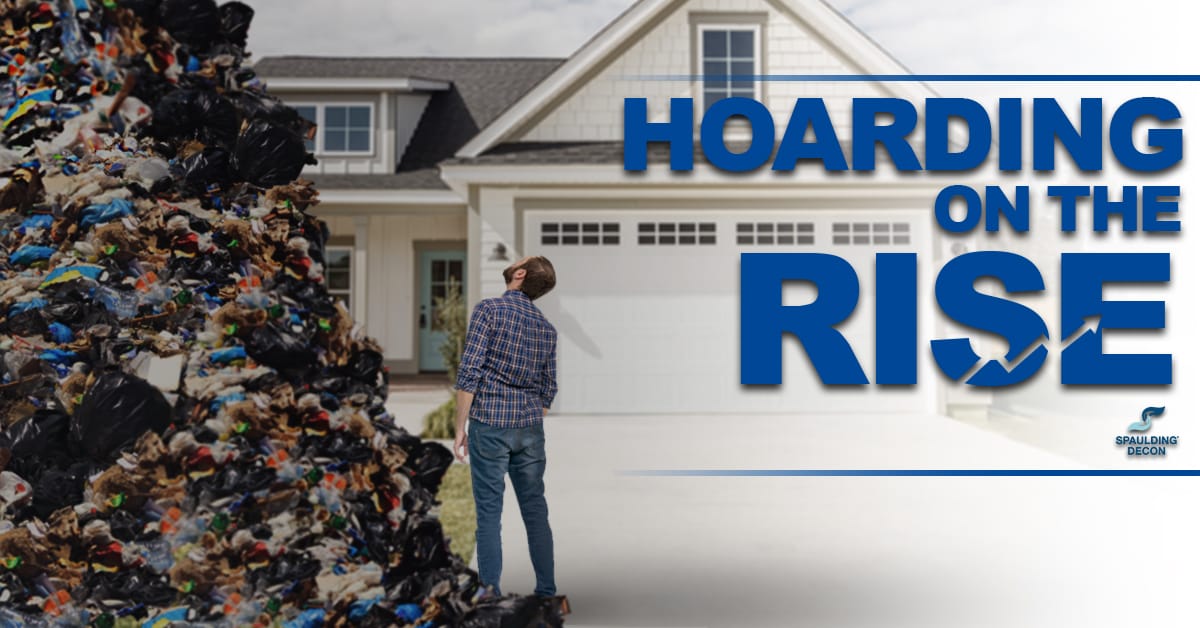
Hoarding Is on the Rise: The Causes of Hoarding Disorder
Hoarding is becoming more prevalent, especially in first-world nations like the United States, due to increased disposable income and access to cheap products. People accumulate items that may not have much value at all and only the hoarders see the value in the items they accumulate. Hoarding is often caused by past trauma or recent…

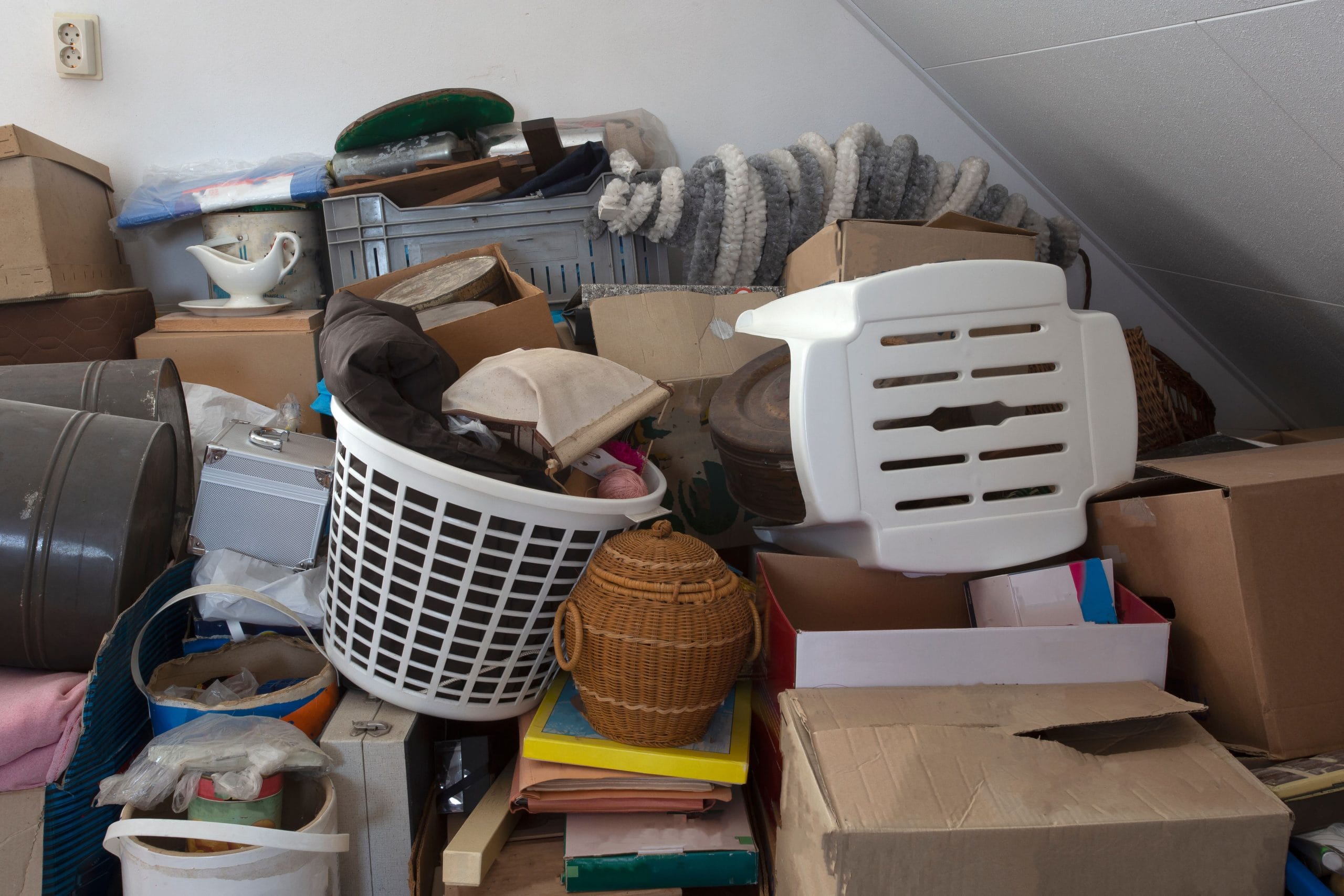
The Types of Hoarding
Hoarding goes beyond having a cluttered attic or box of rusty nails and can be a serious mental disorder. Common types of hoarding include food hoarding, animal hoarding, garbage or trash hoarding, sentimental hoarding, and media or paper hoarding. Hoarding can have serious consequences for the individual, their families, and their communities, including physical hazards,…

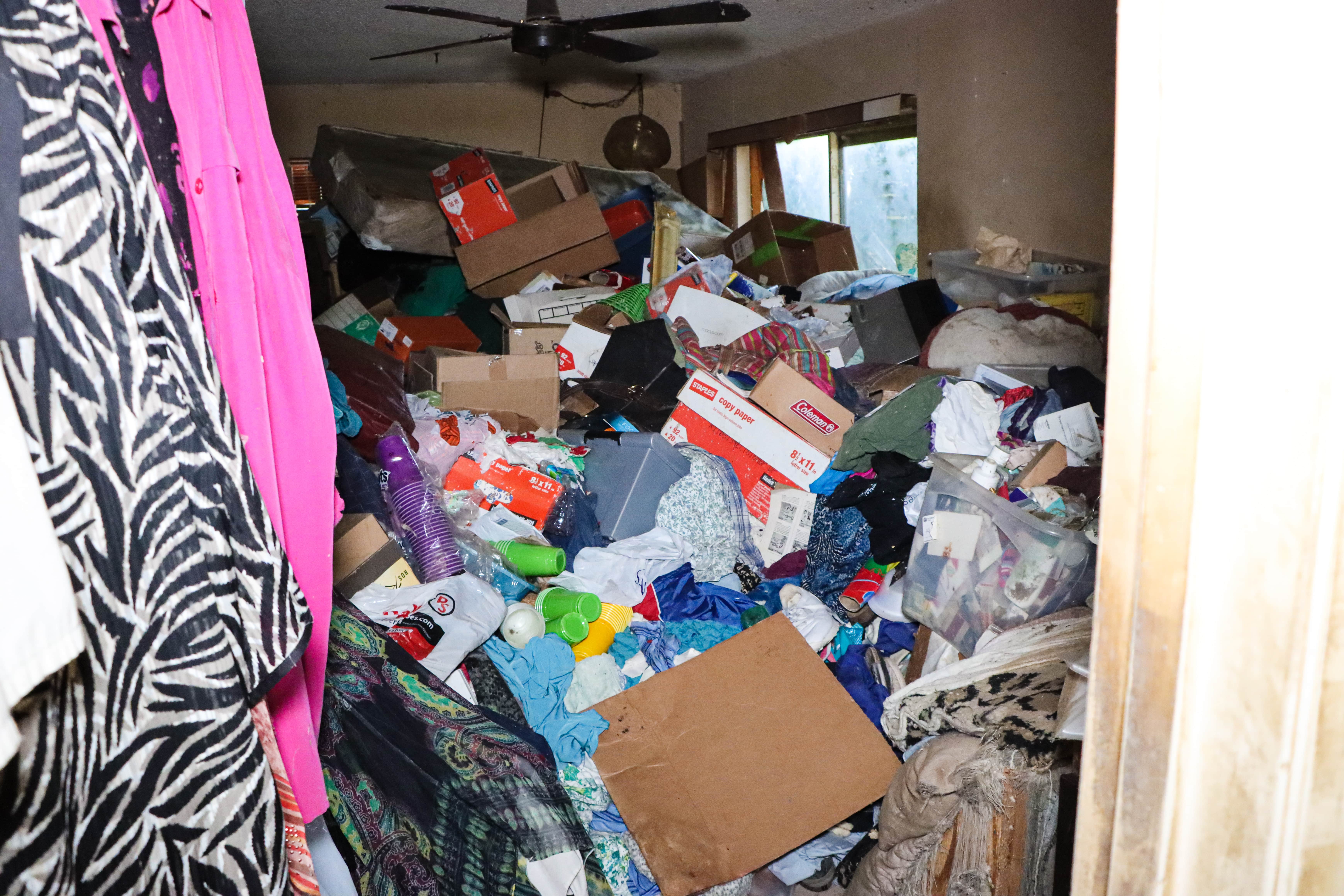
How Much Does it Cost to Clean a Hoarder House?
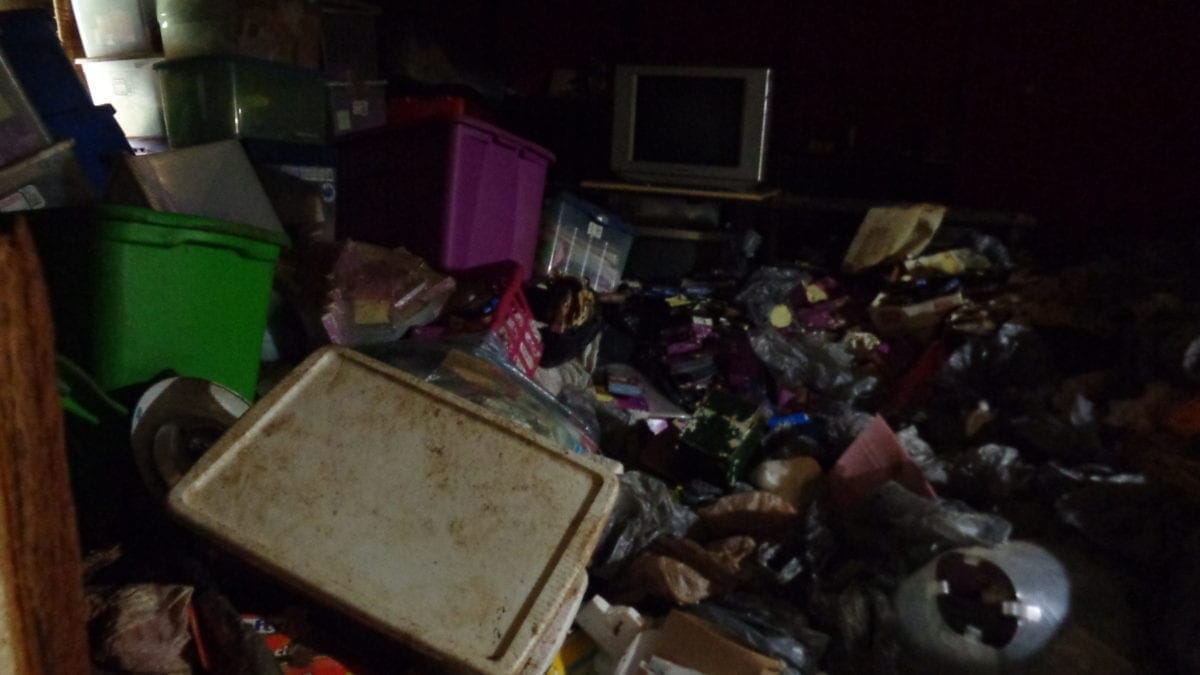
The cost of cleaning a hoarder house depends on various factors, including the hoarding level, the hoarder type, the involvement of the hoarder during the clean-up process, and the size of the home. Hoarding levels range from 1 to 5, with each level indicating the severity of the hoarder’s disorder. Hoarder types include food hoarding,…

How Long do the Effects of Tear Gas Last?
Tear gas is a chemical compound used by law enforcement for crowd control. The effects of tear gas can last for months after initial exposure and can cause harm to a person’s respiratory system, eyesight, and skin. Tear gas can seep into nearby materials and cause long-term health dangers if not treated properly. After exposure,…

How Much Does It Cost to Clean a Meth House
The cost of meth lab cleanup can vary widely depending on factors such as the size of the home, level of contamination, and whether it was used for smoking meth or producing it. Jobs can range from $5,000 to $120,000, with an average of $15,000 to $20,000. The location of the property and state regulations…

What You Need to Know About Hoarding Cleanup Services
Compulsive hoarding affects 5 to 14 million people in the US and is described as an excessive accumulation of items and the refusal to get rid of them. Hoarding cleanup services are available for those who need help with de-cluttering their homes or the homes of loved ones. Professional cleaners are trained to safely and…

Getting Help for a Family Member Who Is a Hoarder
If you suspect a family member is a hoarder, it’s important to understand the signs of hoarding disorder and approach the situation carefully. Hoarders may refuse help due to fear, mistrust, a strong attachment to their possessions, or a lack of awareness of the problem. It’s important to educate yourself on hoarding disorder and focus…

Guidelines for Cleanup of Residential Property Used to Produce Drugs
Discovering that a home or office was used to manufacture methamphetamine can be damaging and toxic to the property, and remediation costs may not be covered by insurance. It’s important to check state regulations and guidelines for meth lab cleanup and hire a reputable, licensed contractor who uses third-party clearance testing and includes re-cleaning in…

Health Dangers of Living in a Former Meth Lab
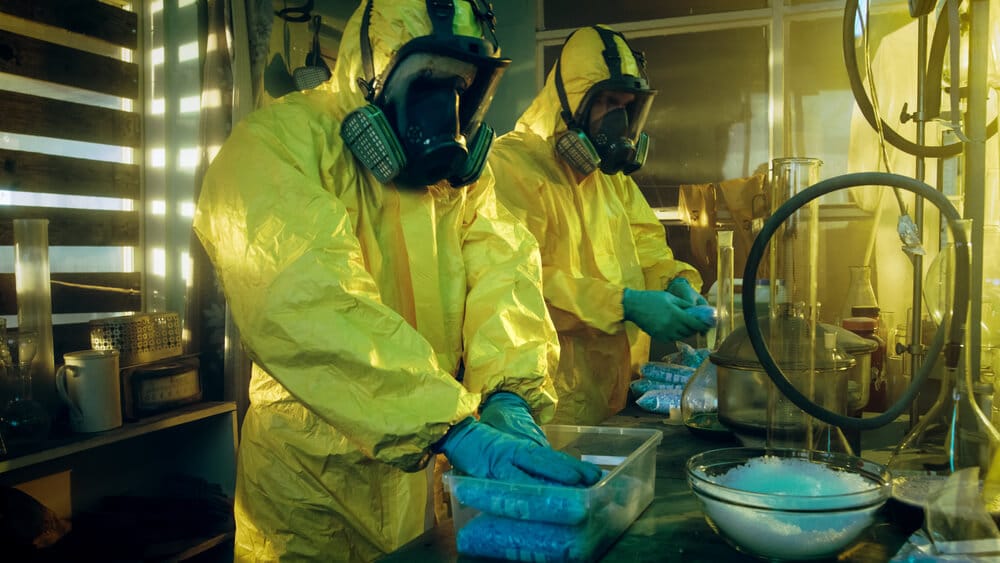
Methamphetamine is a dangerous drug that is often manufactured in improvised labs, which can be hazardous to people in the vicinity. Signs to look for in identifying a meth lab include lack of fire detectors, blue or yellow discoloration in walls, sinks, and showers, peculiar odor, and itching and burning sensations. Meth is made of…

How to Handle a Suicide on your Property
Suicide cleanup or biohazard cleanup involves safely cleaning biohazardous waste, which can include infectious, radioactive, flammable, toxic, corrosive, and reactive materials. If someone commits suicide or there is an unattended death on your property, you need to call the police and decide whether to hire an expert for cleanup or do it yourself with protective…
Does Insurance Cover Biohazard Cleanup?
Biohazard cleanup services are necessary in situations where violent crimes, suicides, drug labs, hoarding, or accidental deaths have occurred. Attempting to clean these scenes yourself can be extremely dangerous and should be left to professional biohazard and remediation companies. Most major homeowners, business, or auto insurance policies cover the costs of crime cleanup or remediation…

Differences Between Hoarding and Clutter Cleanup
Hoarding cleanup involves removing excessive household or personal goods that are no longer needed. Clutter cleanup is a specific form of cleaning that involves the removal of unnecessary goods that people may feel attached to. Both types of cleanup require experienced and trained professionals to handle the sensitive and complicated process. Hoarding cleanup involves specific…

How Much Does Crime Scene Cleanup Cost?
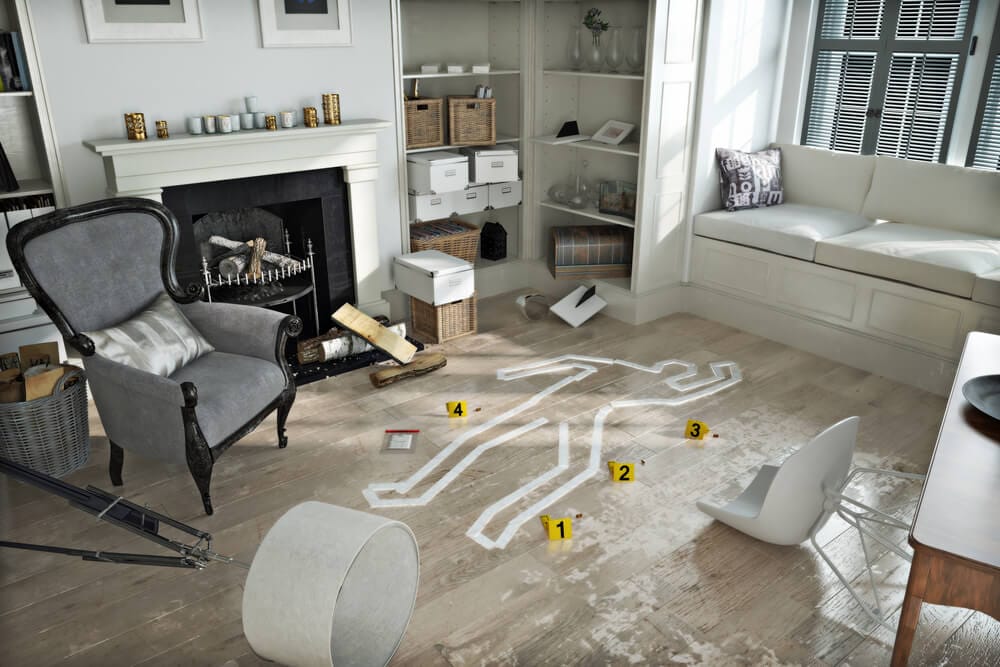
Crime scene cleanups can cost more than standard restoration cleanups after a flood or fire, but most homeowner insurance policies should cover the majority of the expenses. The cost of a crime scene cleanup depends on several factors, including the number of rooms affected, type of flooring, sub-flooring, drywall, odor removal, air treatment, and more.…

Crime Scene Cleaning Training – What It’s All About
Crime scene cleaning is a unique career that involves cleaning up bodily fluids and other biohazards after a crime scene has been investigated and released by authorities. While most people associate crime scene cleaning with major crime scenes, the majority of cleanups are the result of unattended natural deaths or suicides. Many professionals in this…

Discreet Hoarding Cleanup Services
Hoarding is a psychological condition that leads people to collect goods, both useful and useless. Hoarders are often protective of their collection and may resist cleaning efforts. Clean up companies must develop discreet and tactful services to handle hoarding clean up. Cleaning companies use various tactics to motivate hoarders to agree to a clean up,…
Crime Scene Cleaning Business: All You Need to Know
Crime scene cleaning is a demanding and specialized industry that requires compassion, education and training, meticulous attention to detail, integrity and trust, and flexible working hours. Crime scene cleanup certification may be required in some states before obtaining a license. Protective gear, such as biohazard suits, gloves, masks, and respirators, is essential when cleaning up…
The Dangers of Fentanyl Cleanup & Why You Need to Hire a Professional
Fentanyl contamination can be extremely dangerous and requires specialized gear and experience to handle properly. Fentanyl is difficult to detect and can be transdermal, making it easy to accidentally inhale or come into contact with. Hiring a professional cleanup team is recommended for safety reasons, as they have the necessary gear and training to handle…
Cleaning Up After a Death
Cleaning up after death can be a biohazardous and expensive process, but it is often covered by homeowners’ insurance policies. Costs can include biohazard disposal, disinfectants, tyvek suits, odor remediation equipment, and demolition equipment. Hiring a professional death scene cleanup company is recommended to properly assess and clean the area, and ensure proper biohazard disposal.…

Blood Cleanup in Hotels
Hotels see hundreds of people each year, making them a risk for accidents and biohazards. Homicides, suicides, and unattended deaths require professional decontamination, as blood is a biohazard that can carry pathogens and spread disease. Professional crime scene cleanup technicians have special bloodborne pathogens training and equipment to properly and safely clean up blood in…

Blood Cleanup: Can My Employer Make Me Clean That?
Employers cannot ask employees to clean up blood spills without first providing proper blood cleanup training and equipment. Blood contains dangerous pathogens, and employers are required by OSHA to provide a safe and healthy working environment. The OSHA Bloodborne Pathogen Standard outlines guidelines for protecting workers from bloodborne pathogen-related health hazards, including the establishment of…

Black Water and Sewage Leaks: Why Are They Dangerous?
Black water refers to water contaminated by hazardous materials such as human waste or soil, which can pose serious health risks and damage to property. Sewage leaks can release toxic gases, dangerous microorganisms, and chemicals that can corrode pipes and lead to mold growth. Exposure to black water can transmit illnesses like E-coli and campylobacteriosis,…